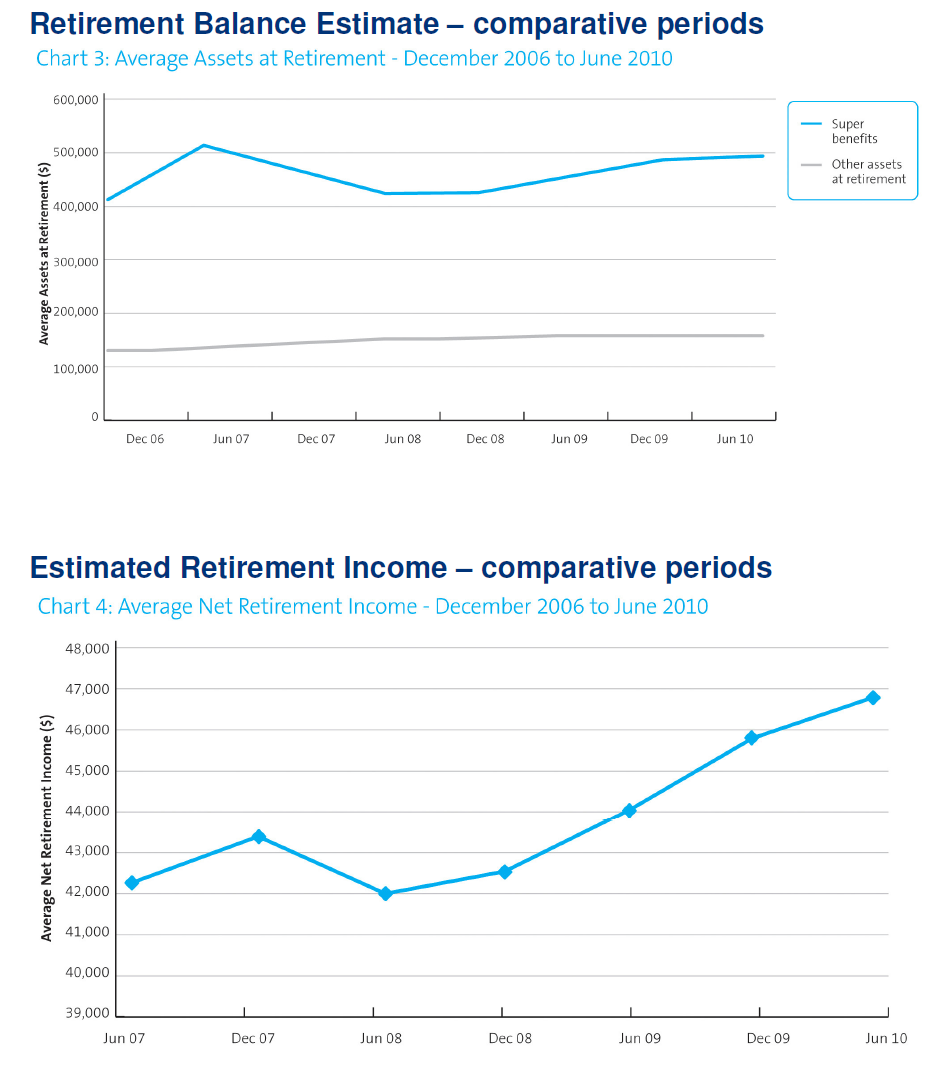
Superannuation balances are higher than peak 2007 levels for the first time, increasing 11.4% from $40,132 to $44,690, according to the latest AMP Retirement Adequacy Index.
The AMP Retirement Adequacy Index used data for the six months to June 2010 from more than 328,000 AMP corporate superannuation customers.
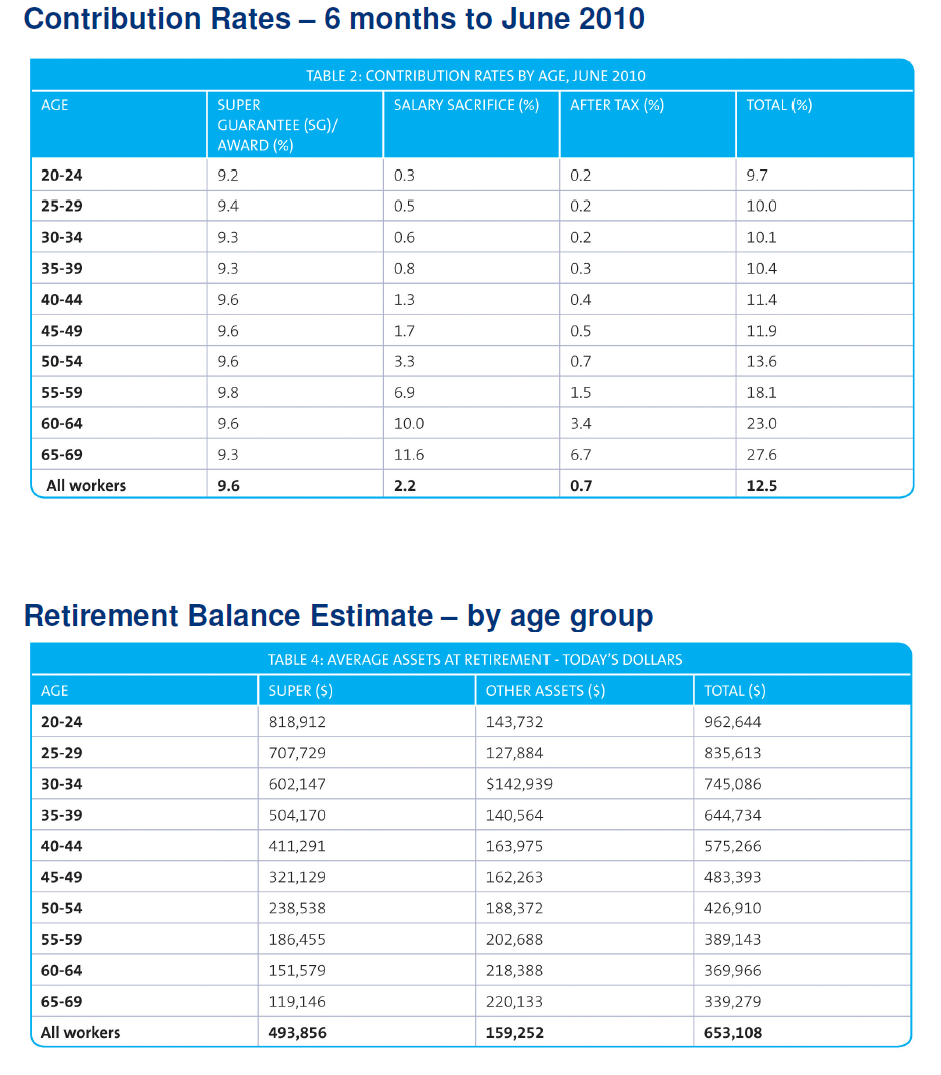
While overall super balances are up, reflecting a stronger economy and higher investment returns, superannuation contributions are still below 2007 levels at 12.5%, compared to 13% in December 2007.
A drop in discretionary contribution rates via salary sacrifice, which are at their lowest levels since the Index began, contributed to this fall. The biggest falls in discretionary contributions were seen in the 45-49 and 50-54 age groups, which dropped 1% (to 1.7%) and 1.8% ( to 3.3%) respectively.
AMP Financial Services Managing Director Craig Meller said the Index’s findings suggest some Australians who have decreased their super contributions risk compromising on their retirement goals.
“People need to carefully plan their finances, in particular their voluntary super contribution strategy, if they want a higher standard of living in retirement than their parents and grandparents.
“In the aftermath of the GFC people are naturally more cautious, but superannuation remains the most effective long-term savings vehicle – it’s tax effective and has a wide range of investment options, from cash and bank deposits, to property and infrastructure investments and equities,” Mr Meller said.
Other key points for the AMP Retirement Adequacy Index are:
- Overall retirement adequacy has increased just 0.1% to 71.4% mainly due to the increase in expected retirement incomes of 2.3% being offset by a corresponding rise in wages which has increased the level of savings needed for a comfortable retirement.
- Today’s workers can now expect to retire on an annual income of $46,746 per year in today’sdollars, a 2.3% increase to the previous six months.
- Average assets at retirement in today’s dollars rose just 0.4% from $650,737 to $653,108 over the six months due to falls in the value of non-super assets.
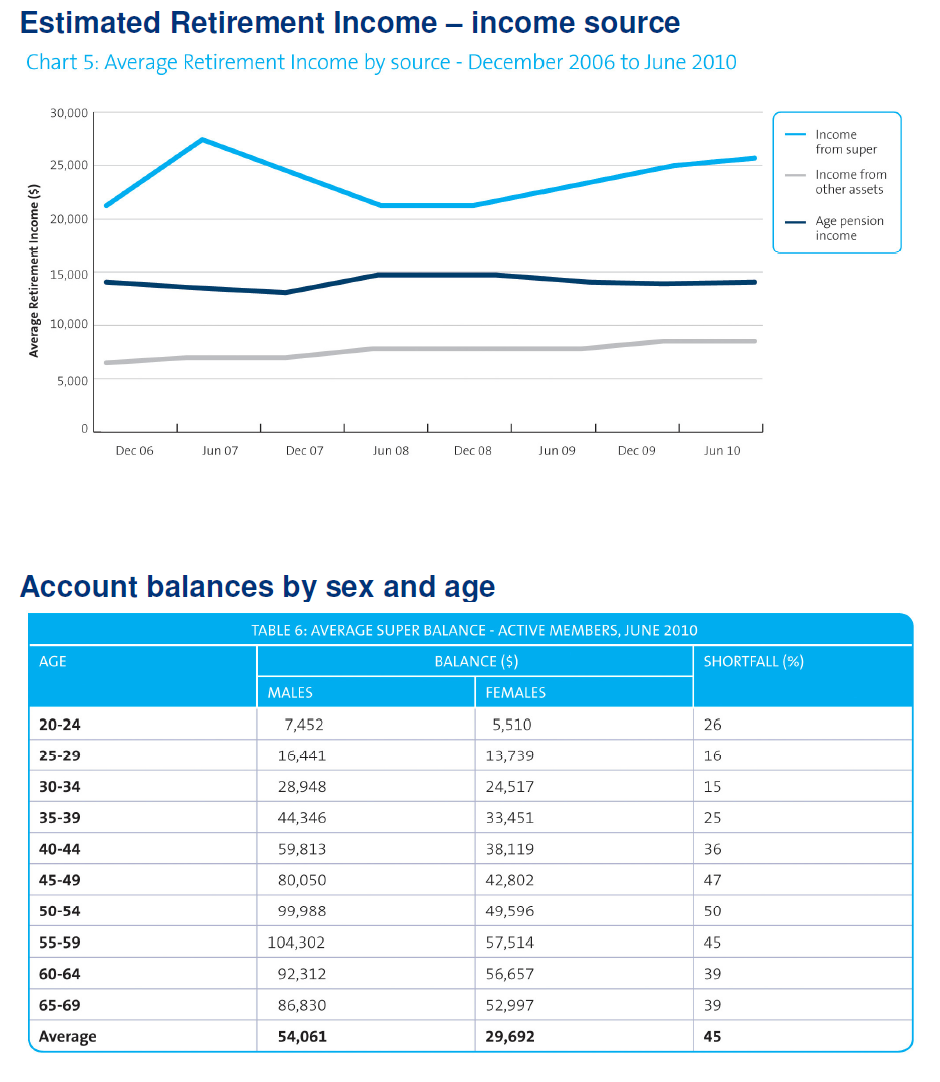
- While average balances for women have increased, the gap between female and male balances widened across all age groups, due to significant increases in male balances. The average balance for males was $54,061 compared to just $29,692 for women – a 45% difference.
- Overall contribution rates for customers under 50 are at their lowest levels since 2007. Contribution rates for members aged 20-24 years have fallen 1.3%; 1% for members aged 25- 29; 1.3% for members aged 30-34; and 2% for members aged 35-39 between June 2007 and June 2010.
- People are now in the workforce longer than ever before with a 25% increase in employment for people over 65 years old. The retirement age has increased to 64.4 years from 63.5 years in December 2009.
Access Economics Director Chris Richardson said it is likely the retirement age increase reflects the current environment.
“People delaying retirement is a predictable response to the recent Global Financial Crisis, where reduced superannuation account balances may have induced those nearing retirement to delay actual retirement until financial markets and account balances recovered.
“Whether this trend will continue will depend not only on economic factors but how the next generation of retirees view ageing,” Mr Richardson added.
The AMP Retirement Adequacy Index used data for the six months from January to June 2010 from more than 328,000 AMP corporate superannuation customers to predict retirement adequacy based on 65% of an individual’s pre-retirement income.
Economic forecaster, Access Economics, used this data to measure the implications of the current super data for future retirement incomes.