-
The Fed expected to hike in December or March.
-
The BOJ and ECB will remain on hold for the next 12 months.
-
Bond yields to remain relatively stable for the next two quarters.

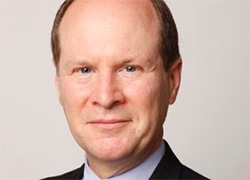
John Vail
Nikko Asset Management’s Global Investment Committee (GIC) is positive on Japanese and developed Asia-Pacific equities over the next six months due to low valuations in Japan and a bullish outlook for Hong Kong and Australian shares. But the GIC will maintain a slightly underweight stance on global equities amid continued sluggish global growth, geopolitics and uncertainty surrounding the outcome of the U.S. presidential election and its impact on the U.S. economy.
“We have been cautious on global equities since our September meeting last year, and while they have risen 7% in the U.S. dollar terms through September 28th, global bonds have risen 10%,” said John Vail, chief global strategist and chairman of the GIC. “Our new macro-backdrop scenario continues this moderately negative view of global equities, particularly in Europe, but we are bullish on Japanese and developed Asia-Pacific equities.”
The committee members, who consist of senior investment professionals from the company’s global offices, predict that Democratic Party candidate Hillary Clinton will win the presidency, but the Congress will be split, which could make it difficult to materialise her largest plans. Even if she wins by a large margin, there may be a great deal of unrest and continued investigation into her past activities.
With regards to the outlook for monetary policies by central banks, the GIC said the U.S. Federal Reserve is expected to hike in December or March as growth is strong enough to handle a small increase, but, thereafter, the Fed will likely be highly uncertain about any further hikes. The European Central Bank and Bank of Japan will remain on hold for the next twelve months, with the continuation of their QE programmes, but with no new policies.
For bonds, the GIC said bond yields will remain fairly stable for the next two quarters as its new scenario expects continued sluggish economic growth. The committee forecasts the U.S. 10-year Treasury yield to be at around 1.7 percent at the end of March with those for 10-year JGBs and German Bunds at zero.
As for currencies, the yen is expected to stabilise around 100 against the U.S. dollar at the end of March on views that the Fed will not hike rates more than once. For the euro, the ECB is not expected to make any major QE moves and the region will continue its high current account surplus, which could prompt capital repatriation. The committee expects the euro to stand around US$1.13 at the end of March.
The committee met on September 29 for its quarterly review of global economic conditions. Based on the findings of its senior investment professionals around the world, the company periodically reconsiders house views on the major global markets and asset classes.
The committee’s main forecasts[1] at this time are:
- U.S.: Half-year GDP growth (October 2016 to March 2017) of 2.0 percent Half-on-Half seasonally adjusted annual rate (HoH SAAR), with the S&P 500 falling 1.2 percent in dollar terms over the next six months to March 2017.
- Japan: Half-year GDP growth of 0.8 percent HoH SAAR, with TOPIX rising 6.7 percent in yen terms over the next six months to March 2017.
- Eurozone: Half-year GDP growth of 0.8 percent HoH SAAR, with MSCI Europe falling 3.8 percent in euro terms over the next six months to March 2017. 1 Total return from the base date of September 23, 2016
Nikko Asset Management’s series of house views: http://en.nikkoam.com/articles/2016/10/still-cautious-on-a-six-month-view-except-for-japaneseand-asia-pacific-equities
——–