
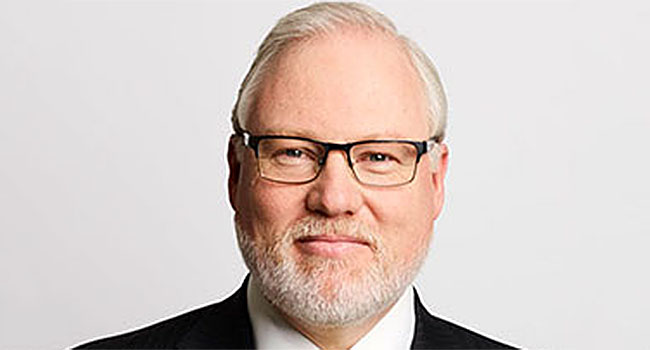
Michael Clancy
Key points
- Five segments of super fund members have been identified from the Qantas Super CSBA Retirement Confidence Index (RCI) data collected over the last two years: Confident Empty Nesters, Middle Class Families, Aspiring Up-and-Coming, Working Class and Survivors (detailed segment descriptions available upon request).
- Each segment has vastly differing levels overall of both confidence in a comfortable retirement and interaction with their superannuation.
- The RCI shows 7.4 million Australians with lower personal wealth – the Working Class and Survivors – have low confidence in a comfortable retirement, rating their confidence as less than three out of 10.
- Australians of lower personal wealth were also less engaged with their superannuation, with just 52 per cent of Working Class and 42 per cent of Survivors interacting with their superannuation more than once a year.
- By comparison, almost 80 per cent of wealthier Australians interacted with their super twice or more a year, including 69 per cent of Confident Empty Nesters and 81 per cent of Middle Class Families.
- Middle Class Families and Confident Empty Nesters combined rated their retirement confidence at over seven out of 10, significantly higher than their less wealthy counterparts.
- The RCI research shows that at the baseline, super funds need to provide more regular updates to positively engage with their members.
New research conducted by CSBA for Qantas Super shows Australians of lower personal wealth have low confidence in having enough money for a comfortable retirement, with many seeking more information and regular updates about their super. The RCI released today shows that the Working Class segment (including many middle-aged with low/medium income) rated their retirement confidence just 2.8 out of 10. Survivors (including many young single parents with low income) were even less confident, with an RCI rating of just 1.4 out of 10 (Figure 1).
Australians with such low confidence in their retirement were also less engaged and had lower trust levels in their super fund to act in their best interest (Figure 2). Less than half (48 per cent) interacted with their superannuation more than once a year, compared to almost 80 per cent of wealthier Australians.
Together, these two segments represent an estimated 7.4 million adult Australians.
“All of us in the superannuation industry should be really concerned that millions of Aussies have such little confidence that they will have enough money to have a comfortable retirement,” said Qantas Super CEO Michael Clancy.
“The RCI research shows that Australians with lower personal wealth often aren’t engaged with their funds. Super funds must act to improve their interaction with all of their members, especially the Working Class and Survivors, as the COVID-19 crisis brings so much uncertainty about the future.”
Members seek clearer information – and more of it
One in three (33 per cent) members in the Working Class and just over one in five (22 per cent) Survivors said more updates and information from their fund would encourage more active interaction.
Around a quarter (26 per cent) of the Working Class also sought personalised service that met their individual needs and life stage, whereas 25 per cent of the younger Survivors segment said making super easier to understand would motivate more interaction.
“Easier access to superannuation advisers to answer basic questions, and who can provide affordable financial advice, for example, would be of tremendous value to working class families who want more tailored service,” said Mr Clancy. “We’ve found such personalised guidance has been extremely popular with our own members.”
“For young adults in particular – both the Aspiring Up-and-Coming (younger, well-educated and more confident about the future) and Survivors – funds can make superannuation easier to understand, for example with easy to digest and relevant content.”
COVID-19 impacts all Australians
Even Middle Class Families and Confident Empty Nesters face an uncertain future. Their retirement confidence is highly correlated to external factors that affect their investments, such as a strong share market and a healthy economy and super balance – all of which have been shaken by the COVID-19 crisis. “Many with higher personal wealth have invested in shares and property markets that could be volatile for some time,” said Mr Clancy.
“The research shows Australians of all wealth levels would interact with their super funds more if they received more information and regular updates. Engagement, advice and education are now more important than ever.
“Many funds have investments that are well diversified and high quality, with excellent liquidity that can withstand the ongoing market uncertainty. Those are positive and important facts that super funds should not hesitate to tell their members.”