
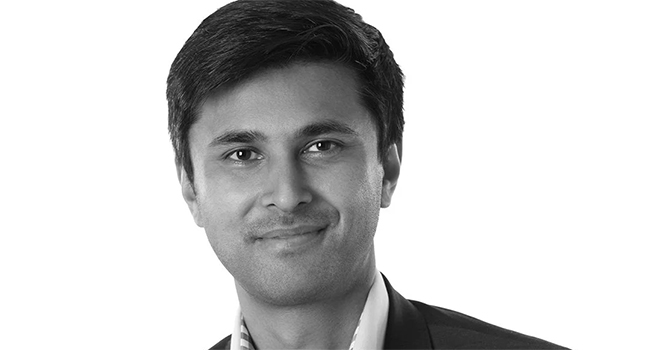
Jai Mirchandani
The global economy is entering a new phase of structural growth, driven by artificial intelligence (AI), energy infrastructure, and long-term demographic trends, and as central banks begin easing policy and technology adoption accelerates, investors are positioning for a period of transformation across industries and asset classes, according to Jai Mirchandani, CEO and founder of ELM Responsible Investments (ELMRI).
Global equity markets rallied strongly in the third quarter of 2025, supported by the first rate cuts from the US. Federal Reserve and Reserve Bank of Australia, in more than a year. While these moves have buoyed sentiment, Mr Mirchandani says the real story lies in the emergence of longer-term investment themes that are re-shaping the global economy.
“We’re moving into a phase where structural growth, not just monetary policy, will define returns,” said Mr Mirchandani. “AI, energy security, and healthcare innovation are creating long-term value opportunities and investors who focus on these themes are positioning for the next decade, not just the next quarter.”
AI buildout signals a new industrial cycle
ELMRI sees AI infrastructure as the cornerstone of a new industrial revolution. Global AI-related capital expenditure could reach several trillion dollars over the coming years, as companies upgrade data centres, redesign energy systems, and rewire workflows around intelligent automation.
Unlike the speculative internet boom of the late 1990s, today’s AI expansion is grounded in measurable productivity gains. Businesses are already integrating AI into core operations, from logistics and finance to healthcare and government, driving both efficiency and demand for computing power.
“The next phase of AI investment will be defined by utility, not novelty,” said Mr Mirchandani. “As adoption accelerates, we expect AI to become embedded in every sector of the economy, and that’s a real, scalable growth story.”
Energy infrastructure: the physical backbone of digital growth
Behind the digital boom lies a substantial physical buildout. Rising energy consumption from data centres and AI computing is driving global investment in renewable generation, power transmission and cooling systems.
Goldman Sachs estimates that over US$700 billion will be required by 2030 to modernise electricity networks, a scale that underscores AI’s real-world impact.
“The energy transition and the AI revolution are now interconnected. Investments in clean power, storage and transmission will define the next decade’s infrastructure winners,” adds Mr Mirchandani.
Healthcare innovation remains a long-term structural growth driver
ELMRI continues to back healthcare as a sector for resilient returns. The firm’s holdings in Cochlear, Fisher & Paykel Healthcare, and ResMed represent exposure to global demographic trends, rising healthcare demand, and world-leading innovation.
“The healthcare sector embodies many of the same forces transforming technology – data, personalisation and global scalability,” said Mr Mirchandani. “These companies are well placed to deliver sustainable growth as ageing populations and digital health adoption reshape the sector,” Mr Mirchandani says.