
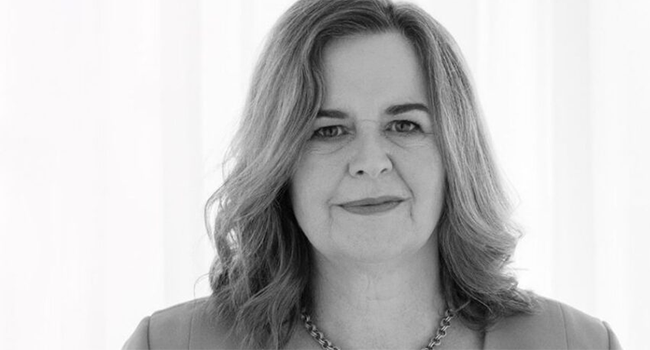
Susan Bell
Australian retirees have more choice and control over retirement outcomes than they realise with lifestyle being determined not only by super balance but by mindset, confidence, and purposeful spending goals, according to the latest research by Challenger.
In partnership with Susan Bell Research, Challenger surveyed more than 1,000 Australians aged 60 to 80 with super balances more than $100,000. The report is the inaugural research launched by Challenger’s Institute for Lifetime Income[1].
The study found 82 per cent of retirees are confident they can afford their desired retirement lifestyle, but confidence to spend varies significantly amongst cohorts, including those with similar wealth and demographics.
“We often see many Australians with good superannuation balances don’t have the confidence to spend it. We’re at risk of a generation of Australians under-retiring,” said Aaron Minney, Head of Retirement Income Research at Challenger.
“The most surprising finding from this research is that people with very similar financial circumstances are often living very different lifestyles in retirement. The story is especially nuanced for those retirees in the middle with balances between $300,000 up to $1 million. We now know that super balance, while important, does not tell the whole story on retirement adequacy.
The four personas of retirement
Spending habits change in retirement for 80 per cent of Australians with the research revealing four distinct retirement spending personas; Carefree, Content, Cautious, and Concerned.
Carefree
- For Carefree retirees, retirement is a time of freedom
- lmost 30 per cent of respondents identified as Carefree, focused on enjoying life – travelling, socialising with friends, and spending time with grandchildren while unburdened by financial concerns.
Content
- A Content lifestyle was enjoyed by around 20 per cent of respondents, who chose a simpler retirement and to spend mindfully.
- Importantly, this group is spending less by choice and remain confident their savings will last for life.
Cautious
- 15 per cent of Cautious respondents were careful with their money due to uncertainty it will last.
- While only half expected to have super left for their estate, three quarters (74%) were confident they could afford their lifestyle.
- Cutting back on spending helped this group to navigate the unexpected.
Concerned
- Concerned retirees had a genuine fear of running out.
- Approximately 10 per cent of respondents are living on a tight budget out of necessity, surviving on much less income than they used to.
- Many with this lifestyle are reliant on the Age or Disability Pension, with higher cost-of-living compounding the challenge.
Susan Bell, Founder and Lead Researcher at Susan Bell Research, said the findings reinforced that retirement was far more diverse than is often recognised.
“The research revealed spending patterns in retirement are not static and retirees can shift between lifestyle personas as priorities change over the retirement lifecycle,” Ms Bell said.
“People with remarkably similar financial circumstances were often making very different decisions about how they wanted to live in retirement. Looking beyond financial measures helped explain those differences in a way that numbers alone cannot,” she said.
For some retirees, the confidence to spend grows as they settle into this new lifestyle. For others, they report cutting back as circumstances, such as health, change.
“It is important to recognise that retirement is a dynamic lifecycle, not set-and-forget,” Mr Minney said. “Pleasingly, the research shows half of Australian retirees are living a Carefree or Content lifestyle, enjoying retirement on their terms and choosing to spend on the things that matter to them most. Whether that means upgrading to a business-class ticket to Europe or enjoying a purposeful life at a slower pace, these retirees feel empowered to choose but we must understand that priorities and confidence to spend do change over time.
“In retirement, balancing competing objectives of planning for the future versus living for today is difficult. What this research shows us is the need for consistent support over the evolution of retirement. By doing so we can help more Australians realise that an aspirational lifestyle is achievable. For example, shifting Cautious retirees to a Content lifestyle could be as simple as helping them to better understand their goals and align their spending accordingly.
“By recognising that it is never too late to secure a more confident retirement, we may be able to improve the retirement lifestyles of millions of Australians,” Mr Minney added.
Key Research findings
- Around a third of retirees (34%) were confident in spending predictions for the next one to two years, this figure fell to just 1 in 10 (11%) when asked to predict over the next decade. Concerningly, 14 per cent of retirees and 19 per cent of pre-retirees had no idea about future spending over any time horizon.
- Nearly three quarters of retirees (73%) and more than half of pre-retirees (51%) had received some form of advice or assistance. Income security, managing investments, and planning retirement lifestyle were priority topics for both cohorts.
- For those who had received help, information or advice, 55 per cent of retirees and a staggering 71 per cent of pre-retirees felt there were other new topics worth getting advice or guidance on. For those who had never sought help or advice, 48 per cent of retirees and 78 per cent of pre-retirees could nominate a topic they wanted support with.
“As we live longer and cost-of-living bites, fear of running out of money may see more pre-retirees conservatively default to a Cautious or Concerned lifestyle unnecessarily. For retirees, the inability to predict the future may see a pullback from Content and Carefree lifestyles in later years,” Mr Minney said.
“Neither are good outcomes. Mindset matters over money in these situations. More needs to be done to help older Australians visualise and plan for their future to ensure greater confidence, clarity, and comfort at every stage of their hard-earned golden years.
“Retirement is not simply a phase of life. It is a dynamic, constantly changing lifecycle that requires consistent care and attention. Our hope is that this research, and our efforts at the Institute for Lifetime Income, will empower greater, ongoing retirement conversations and help more Australians have financial security for a better retirement,” he said.
———-