
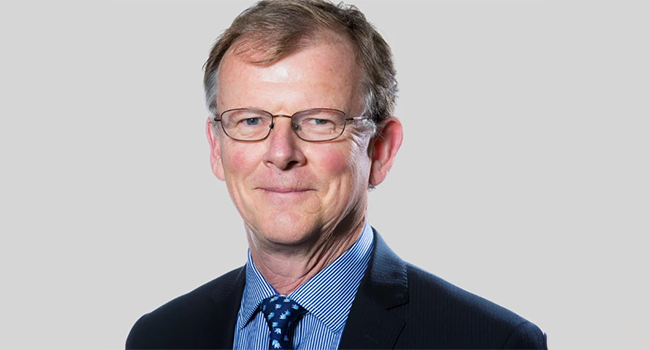
David Ward
Key figures
- Private Ancillary Funds (PAFs) distributed more than $914 million in FY2023-24, up 14 per cent, across more than 2,289 funds
- Distributions from the main public offer Public Ancillary Funds (PuAFs) grew 12 per cent in FY2023-24
- Fewer than half of the 28,000 Australians earning more than $1 million a year make a tax-deductible charitable donation
- PAFs now account for 22 per cent of all tax-deductible gifts received by charities, even as overall giving stagnates
Support for charities through Private Ancillary Funds now accounts for 22 per cent of all deductible gifts received by charities, as the popularity of Private and Public Ancillary Funds continues to grow despite overall giving stagnating in recent years, new Australian Taxation Office (ATO) data reveals.
David Ward, technical director at Australian Philanthropic Services (APS), says the FY2023-24 tax statistics demonstrate how committed givers approach philanthropy.
“The numbers tell two stories at once,” Ward says.
“Participation among high-income earners hasn’t improved but giving through PAFs has grown where general giving hasn’t, now making up almost a quarter of deductible gifts received by charities.”
“In part, this may be explained by generous higher income earners engaging with structured giving. Indeed, those with a gross income above $1 million but taxable income below $1 million have gifted an average of $589,000, significantly more than the $61,000 average gift from those who give and have a taxable income over $1 million. Furthermore, half of those with gross income over $1 million don’t make a deductible gift at all.”
“That combination should be a wake-up call for policymakers, for charities that rely on individual donors, for professional advisers, and for givers themselves.”
Ward says the gap between the capacity of high-net-worth Australians to give, and their actual giving represents a significant opportunity for advisers.
“Fewer than half of the 28,000 Australians earning more than $1 million a year make a tax-deductible donation, despite having significant capacity to give,” Ward says.
“That’s a clear opening for advisers working with high-net-worth clients and family offices to bring philanthropy into the financial conversation.”
PAFs and PuAFs require an upfront capital commitment that secures an immediate tax deduction. Funds are invested in a tax-free environment, growing the corpus over time, while minimum annual distributions lock in giving as a long-term commitment rather than a discretionary decision that can be deferred or skipped in a tighter year.
The structures also give donors a clear framework for succession and family involvement, tax-effective timing of contributions independent of when funds reach charities, and a more strategic, portfolio-style approach to philanthropy.
The year to June 2026 saw the largest number of new foundations ever established through structured giving vehicles, suggesting more givers are favouring the discipline of a structured vehicle over ad hoc annual donations.
“This is encouraging, and the data points to a real opportunity for financial planners and accountants,” Ward says.
“Advisers are often the first port of call when clients are structuring their wealth, yet philanthropy isn’t always part of that conversation. And the timing matters. The opportunity to set up a giving structure is often tied to when a capital gain is realised, putting advisers and accountants in the front seat to raise philanthropy at the right moment.
“That relationship will only become more important as Australia moves through an estimated $5.4 trillion intergenerational wealth transfer. Advisers who’ve built relationships with the children and grandchildren of existing clients will be best placed to retain those relationships as wealth changes hands.”