
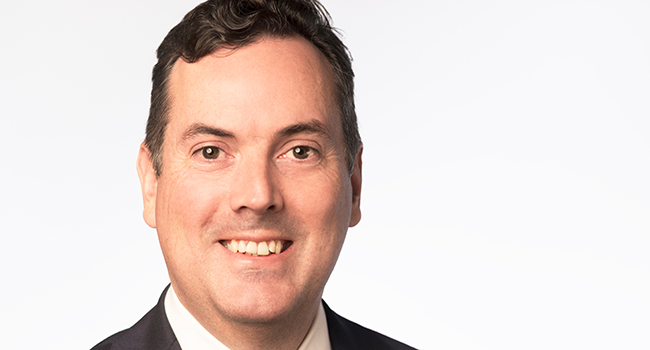
Danny King
Key Points
- Australia climbs to 6th place improving its position as one of the world’s strongest retirement systems
- Despite this, one third of Australians expect to receive an inheritance that will substantially fund their retirement
- Australians estimate they need a balance of $1.1 million to retire securely, but 53% don’t believe they will reach that target
- Australians are under-advised compared to their global counterparts with 54% of Australians not receiving professional advice compared to 38% globally
Australia remains one of the best places in the world to retire, climbing one place to rank sixth globally in the latest Natixis Investment Managers Global Retirement Index (GRI). Yet, Australians remain uncertain about their financial future, with a growing reliance on inheritance expectations and the significant advice gap, raising concerns about retirement preparedness.
In this year’s index, Australia maintains its top ten position for global retirement security. The top five countries are Norway, Ireland, Netherlands, Switzerland, Denmark. Following Australia in sixth, Germany, Luxembourg, Iceland and new entrant Czechia round out the top ten.
Created in collaboration with CoreData Research, the GRI assesses retirement security across 44 countries using 18 indicators spanning finances in retirement, material wellbeing, health and quality of life.
On average, Australians think they need a balance of just over AUD $1.1 million to retire securely, much lower than the global average of AUD $1.46 million. But more than half (53%) of those surveyed predict that they won’t be able to save this much compared to only 39% globally. Perhaps this is why one in three Australians expect to substantially fund their retirement with an inheritance, as fear remains that they won’t have enough money to enjoy their retirement (49%).
Contributing to this, Australians are under-advised compared to their global counterparts, as more than half (54%) surveyed said they don’t seek professional advice compared to 38% globally.
Danny King, Country Head of Australia and New Zealand at Natixis Investment Managers said: “Australia’s retirement system remains one of the strongest globally and our rise to sixth place in this year’s Global Retirement Index reflects the success of Australia’s compulsory super system and the expertise of the investment professionals trusted with prudently growing these funds over the long term. However, the research highlights an emerging disconnect between the strength of the system and how people feel about their own retirement readiness. The introduction of personalised professional advice via superannuation funds will play a critical role in helping people retire confidently, and make informed decisions throughout their retirement journey. Investing for and during retirement is a long-term game and accessible, professional advice is needed to support Australians in what is one of the most important investments in their lives.”
Retirement systems built on 20th Century assumptions
People are working differently today, living longer and shouldering a greater share of the responsibility for funding retirement. Ageing populations, longer life expectancies, and private pension liabilities, alongside record public debt, is putting pressure on public pensions, and inflation is leaving individuals with less money to save.
Nearly eight in ten Australians said it is increasingly their responsibility to fund retirement on their own (77%) and believe government retirement programs do not adequately account for people living longer (76%).
Unsurprisingly, retirement anxiety remains elevated overall, but Australians plan to quell those fears and pay it forward to future generations as 68% plan to leave an inheritance. Among the top concerns identified by investors were having enough money to left to pass on to their children (25%), healthcare and long-term care costs (34%), inflation eroding retirement plans (32%), and never saving enough to retire (35%).
Australia’s improving scores across the quality of life and material well-being sub-indices, and only a moderate decline in finances in retirement and health, supported its top ten ranking and demonstrate a broadly positive outlook.
- 6th for Finances in Retirement (compared to 5th in 2025)
- 12th for Quality of Life (up one place from 13th in 2025)
- 13th for Material Wellbeing (up two places from 15th in 2025)
- 8th for Health (down from 6th in 2025)
Australia is in the upper echelon of finances in retirement ranking sixth, despite inflation dragging on this score as persistent pressures weigh on the economic environment and more than half (54%) of Australians felt the brunt of inflation citing it as one of their top five concerns for retirement security.
Digging deeper, material wellbeing increased due to household income inequality falling to its lowest level in over a decade in addition to an unchanged unemployment ranking.
Quality of life improved one place from 2025 due to a dramatic improvement on environmental factors, although, the happiness indicator slipped slightly pointing to a deeper undercurrent of financial anxiety.
Health was marginally down due to life expectancy declining in part due to the rising rates of chronic disease. Insured health expenditure declined indicating Australians might not have enough insurance cover, as more than 2 in 5 (44%) Australian retirees report healthcare costs running high, well above the 31% global average.