
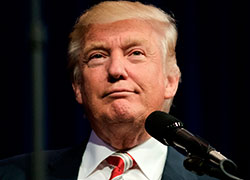
Markets subdued ahead of Trump’s inauguration.
Equity markets are hovering in limbo this week as they sit and wait for Trump’s inauguration on 20 January before deciding what way they will go, says boutique fund manager Managing Director George Lucas.
He says doubts around the outcome of European Central Bank’s first monetary policy meeting of the year to be held on Thursday, at which it should reaffirm its commitment to its Asset Purchase Program that it extended in December, is compounding the market situation.
“Some had hoped for more positive signs from the President-elect at his press conference last week (his first since his election victory); however, it was decidedly short on policy detail.
“This left markets wondering what was in store under Trump. The only real impact his speech had was on the pharmaceutical industry, when he came down hard on the sector and triggered big losses for healthcare and biotech stocks.
“There was more meat in the subsequent media release, with promises of fiscal stimulus and infrastructure spending.
“Once the inauguration is out of the way, these promises could help the markets return to the upward trajectory that they started in November last year.
“This will likely be led by growth-focused assets and, if approved, Trump’s tax cut policies that could give many US companies a 20 per cent earnings growth boost (after tax) if passed.”
He says the equity market pause has also affected forex markets with the US dollar taking a breather. “Once the inauguration is over, we expect the USD to continue its recent rally as the divergence of the US economy from Europe and Japan will drive the greenback’s strength.
“In Australia, our dollar is less driven by the interest differential and more by investor appetite for risk, commodity prices, China’s growth and our own growth. The AUD should hold up well in the current environment of improving commodity prices and China.
“We learnt during the week that Chinese exports and imports jumped in November, driven by stronger external demand, domestic recovery and rising prices. We expect trade to have improved further in December, with PMI readings suggesting that China’s trading partners continued to experience strengthening growth at the end of 2016. Rising commodity price inflation should have also provided a boost to trade values by increasing export and import prices.”