
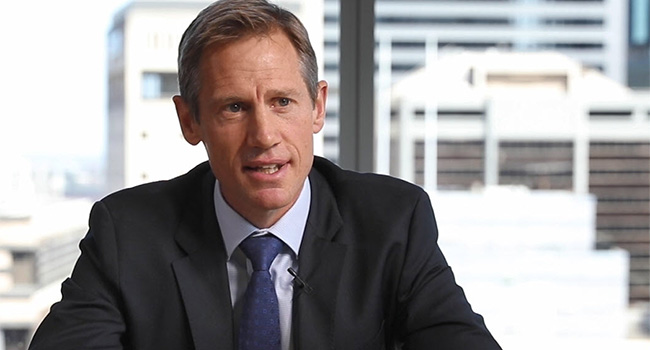
Stuart Dear
Fixed income is set to be a standout asset class in 2023, both in absolute terms and relative to other assets, according to Schroders Australia head of fixed income, Stuart Dear.
However Mr Dear says the market environment is likely to stay volatile as the battle between slowing growth and still-too-high inflation plays out.
“Although the surge of inflation in 2022 rose to levels not seen since the early 1980s, with the resulting negative impact on the bond market, there is now reason to be optimistic about the outlook for the fixed income asset class,” he says.
“As well as the material possibility of high quality fixed income delivering strong returns this year, partly erasing last year’s losses, it should also be a good diversifier as we enter the down phase of the cycle. Riskier assets appear to be still priced for relatively benign macro outcomes.
“The fact that yields have repriced sharply higher means that forward-looking returns from bonds are now significantly better. For now, the income is back in fixed income.”
Mr Dear says determining value in government bonds is a fine art, as value depends on many moving parts including future economic growth, inflation, central bank policy, investor risk appetite, and market liquidity.
“Two of the most common bond valuation methods are estimating the ‘fair value’ level of bond yields given medium-term macroeconomic inputs, and comparing bonds to equities and making a relative assessment.
“Using both of these methods, bonds are ‘cheap’ at their current levels.”
“There is no question that high quality bonds now offer attractive absolute and relative value, and a compelling medium-term risk-adjusted return,” Mr Dear says.
Schroders Australia portfolio manager for fixed income and multi-asset, Mihkel Kase, agrees the next few months could potentially be a sweet spot for fixed income as yields in investment grade debt have already risen, prior to any economic slowdown.
“We still expect a period of volatility ahead in fixed income markets but we believe the rebuilding of yields across most investments means that these markets will be able to deliver income and expected improved returns to investors.”
“Bonds tend to do best when growth is falling, inflation is softening, and central banks are easing policy. While we may not see all three in 2023, Schroders believes at least two out of three are likely.”
Mr Kase says investors may be enticed to use the next few months to accumulate high quality assets at good levels and wait for better opportunities in risker assets.
“Although eventually the downside risks to growth are likely to dominate market pricing, these may not eventuate for some time,” he explains.
“Investors should consider taking advantage of attractively priced fixed income markets over the next few months as opportunities present.”