
Alcohol consumption
-
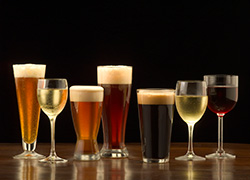
Australia’s alcohol consumption down.
Total apparent consumption of alcohol fell for the sixth straight year, down from 10.04 litres of pure alcohol per person to a 17-year low of 9.88 litres per person – equivalent to an average of 2.2 standard drinks per day per person aged 15 years and over.
- Beer consumption has hit a 67-year low. The apparent consumption of alcohol consumed as beer fell from 4.14 litres to 4.04 litres per person in 2012/13- the lowest result since 1945/46.
- Wine consumption slumps to 7-year low: The apparent consumption of alcohol consumed as wine fell from 3.78 litres to 3.70 litres per person in 2012/13, the lowest level since 2005/06.
- Record cider consumption: The consumption of alcohol in the form of cider rose from 0.17 litres to 0.19 litres in 2012/13. But consumption of alcohol in the form of spirits was stable at a decade low of 1.95 litres in 2012/13.
What does it all mean?
- Alcohol consumption has hit 17-year lows. Unfortunately the data doesn’t totally flesh out the reasons why. Certainly the anecdotal evidence suggests that Aussies are embracing ‘quality’ ahead of ‘quantity’. That is certainly the case with beer, where craft beers are gaining favour over mainstream brands. But it may also be a case where Aussies are paying greater attention to health issues. In fact other data shows a lift in purchases of sporting and other recreational equipment over the past year.
- And indeed the much more longer-trend influences on alcohol consumption are still prevalent such as random breath testing, immigration, greater variety in leisure pursuits, increases in income and wealth (affordability of alcohol is at 20-year highs), diet and lifestyle. All these factors explain why Aussies are drinking less beer, more wine and drinking less alcohol more generally.
- And then there is the ‘new conservatism’ in Australia where Aussies are saving more and shunning debt. In fact the average credit card balance is falling – down to four-year lows.
- Reduced alcohol consumption is positive from many social standpoints. But it has implications for government coffers in terms of excise revenue. It has implications for liquor retailers, cafes, restaurants, clubs and the major supermarkets – Coles and Woolworths. Price is only part of the buying consideration; but rather it is the price/quality trade-off.
- It remains to be seen whether alcohol consumption picks up over the coming year in line with stronger economic growth and record wealth levels.
What do the figures show?
Alcohol consumption
- The apparent consumption of alcohol consumed in the form of beer fell from 4.14 litres of pure alcohol per person (aged 15 years or more) to 4.04 litres in 2012/13. It was the lowest result in 67 years. Consumption of full-strength beer fell from 3.41 litres to 3.32 litres; mid strength lifted from 0.57 litres to 0.58 litres; and low strength fell from 0.16 litres to 0.15 litres.
- The consumption of alcohol in the form of wine slumped from 3.78 litres to 3.70 litres in 2012/13. White wine consumption fell from 1.83 litres to 1.75 litres but red wine consumption was unchanged at 1.39 litres and consumption of “other” wines (ports, sherry etc) was stable at 0.56 litres.
- Consumption of alcohol in the form of spirits was stable at a decade low of 1.95 litres in 2012/13. Consumption of spirits rose from 1.26 litres to 1.29 litres but was short of the record high of 1.34 litres in 2010/11. Meanwhile “ready to drink” eased from 0.68 litres to a record low of 0.65 litres.
- Cider consumption continues to rise. The consumption of alcohol in the form of cider rose from 0.17 litres to 0.19 litres in 2012/13. Four years ago cider consumption was around half current levels.
- Total apparent consumption of alcohol fell for the sixth straight year, down from 10.04 litres of pure alcohol per person to a 17-year low of 9.88 litres per person. As a standard drink consists of 12.5 mls of pure alcohol, this is equivalent to an average of 2.2 standard drinks per day per person aged 15 years and over.
- The Australian Bureau of Statistics releases alcohol consumption data each year. The data is important for the hospitality sector.
- All types of retailers are under pressure at present. No longer can price be relied upon to boost revenues and profits. In fact alcohol affordability is the best in 20 years but Aussies are drinking less. Aussie consumers are more selective and much more focussed on the overall “experience.” The aim is to reduce costs and apply disciplined, targeted marketing. Cider is an example of a successful, relatively ‘new’ product.
- Declines in alcohol and tobacco consumption puts extra pressure of Federal Government budget revenues via lower excise receipts.
What is the importance of the economic data?
- The Australian Bureau of Statistics releases alcohol consumption data each year. The data is important for the hospitality sector.
What are the implications?
- All types of retailers are under pressure at present. No longer can price be relied upon to boost revenues and profits. In fact alcohol affordability is the best in 20 years but Aussies are drinking less. Aussie consumers are more selective and much more focussed on the overall “experience.” The aim is to reduce costs and apply disciplined, targeted marketing. Cider is an example of a successful, relatively ‘new’ product.
- Declines in alcohol and tobacco consumption puts extra pressure of Federal Government budget revenues via lower excise receipts.


