
The importance of fundamentals in uncertain times

Kera Van Valen
There is currently no shortage of uncertainty in global markets, and it looks like things will remain that way for the foreseeable future.
The prolonged war in Ukraine coupled with escalating tensions between the U.S. and China continue to drive de-globalisation and stagnating economic growth. Recession risk remains elevated, as despite recent turmoil in the banking sector, central banks around the world are continuing the process of economic policy normalization. Attractive opportunities remain for equity investors, but to succeed in this environment will require a more hands-on approach to stock selection, with a heightened focus on business fundamentals.
With monetary policy more restrictive than it’s been in years, and likely not returning to the highly accommodative levels seen over the past decade any time soon, companies with a large share of their cash flows out in the future and a pressing need for capital injections to sustain growth will see valuations most significantly pressured when compared to more fundamentally sound peers. All signs point to the best opportunities being concentrated within highly cash generative, dividend-paying companies with healthy balance sheets and strong market positions. A portfolio constructed with these traits in mind will be well suited for the coming era of more fundamentally driven equity markets.
Portfolio pick – Novartis
The Epoch Global Equity Shareholder Yield portfolio invests in companies that grow free cash flow and allocate it intelligently. To illustrate what we are talking about, examples of companies that we hold in our portfolios are always a good place to start. One such stock worth highlighting is Swiss pharmaceutical company, Novartis. It’s a large company, with a market capitalisation of about $US200 billion, and it generated about $US50 billion in revenues last year.
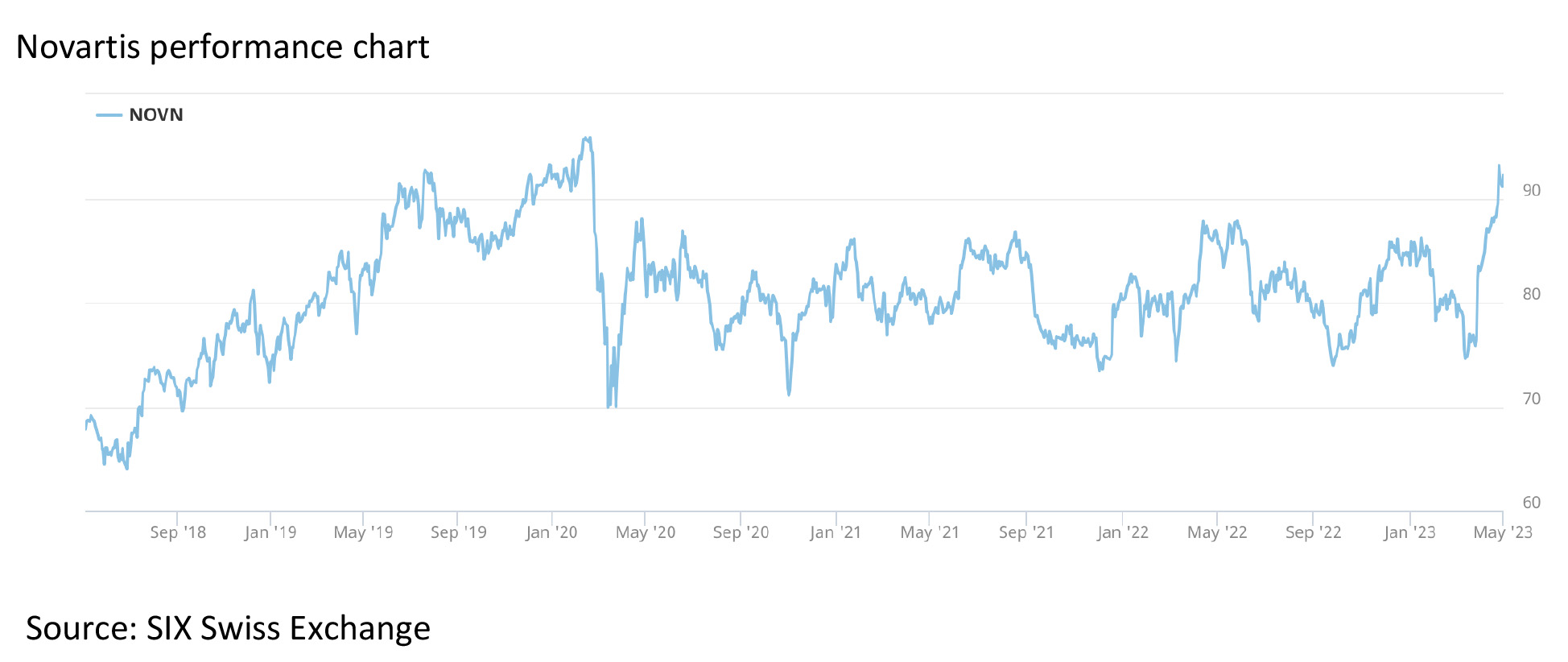
The management team has been narrowing the focus of the business and has divested segments that are unrelated to their core interests of innovative medicines. This narrower focus has resulted in a much more dependable driver of growth in cash flow.
Novartis has exposure to different therapeutic areas across a number of geographies, which lends to more stability for the business. They have blockbuster drugs in oncology, in immunology, in cardiology, and in neuroscience. The company pays an attractive dividend which has been growing consistently and reliably for more than 20 years, and also regularly repurchases stock.
Portfolio pick – Coca Cola Euro Pacific Partners
Another great example of a holding in this strategy is Coca Cola Euro Pacific Partners (CCEP). It is the world’s largest independent bottler for the Coke franchise, with operations in Europe, Asia, and Australia. On a continuing basis, the company partners with Coke to optimise its product and price mix in each market, aspiring to have the ideal brand in the appropriate packages at the right prices in all target channels.
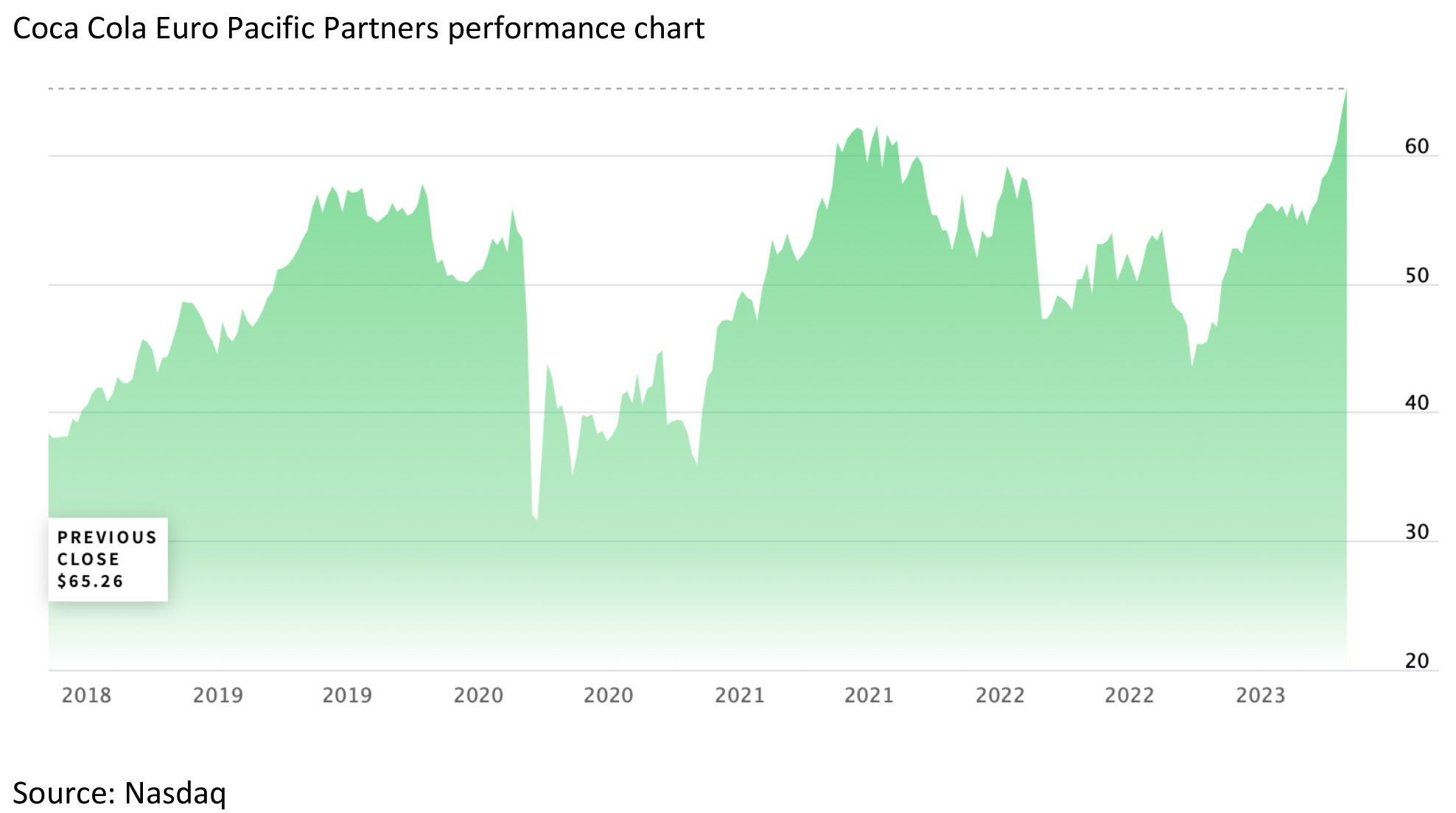
Nearer term, restructuring of the product offering and cost structure at recently acquired Coca-Cola Amatil will serve to accelerate free cash flow growth. Bigger picture, with strong brands and a diverse product portfolio, CCEP is well positioned to continue to drive growth in free cash flow through profitable revenue growth, volume, product innovation and marketplace execution. The company generates strong free cash flow and consistently returns cash to shareholders through an attractive dividend which is also supplemented by share buybacks and debt reduction.
Wrap-up
When the market landscape is defined by uncertainty and volatility, as it remains today, it is crucial that equity investors adapt their approach and position their portfolios accordingly. The firms that will be able to navigate the challenges ahead, while maintaining growth in earnings and creating value for shareholders, will be those with robust cash flow growth, healthy balance sheets, and strong market positions. In our view, successfully identifying these traits and being more selective in equity allocations will lead to the best outcomes for investors.
By Kera Van Valen, managing director


