
Navigating inheritance complexities and estate planning challenges amidst a $3.5 trillion wealth transfer
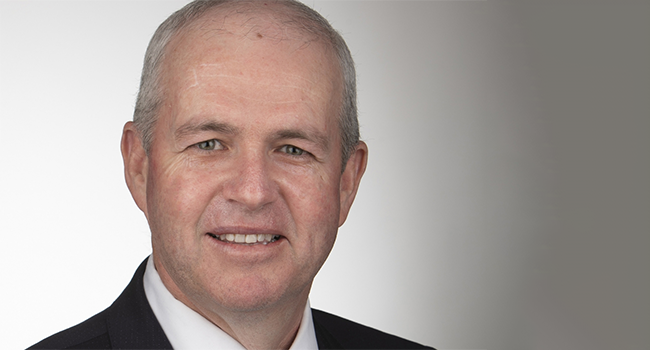
Craig Brooke
The intergenerational wealth transfer currently underway will have a significant impact on estate planning, says Craig Brooke, CEO of KeyInvest, an independent member-owned mutual friendly society.
He notes the Productivity Commission has estimated $3.5 trillion will change hands by 2050, with 70 per cent of the combined wealth of baby boomers expected to be passed on as inheritances.
“The numbers are enormous – but so are the potential problems this intergenerational wealth transfer could create.
“The simple fact is that estate planning is not straightforward. Families are complex, with 25 per cent of marriages involving at least one person who has been married previously. The divorce rate is estimated at 44 per cent, with the median duration of marriage at divorce being 13 years and the median age at divorce being 45 years.
“To further complicate matters the number of divorces for those aged over 50 – are increasing.”
Brooke says this departure from the nuclear family concept is partly reflected in the growing number of estate disputes, with more than half of all wills being contested.
“Data from the law firm Solomon Hollett shows that 74 per cent of estate challenges succeed to some degree. When breaking down that figure, the success rate is 83 per cent when its claimed by partners and ex-partners, 76 per cent when it’s claimed by children and 73 per cent when it’s the extended family.
“Further figures that highlight the conflict that estate planning causes is that 100 per cent of challenged estates over $3 million succeed to some degree, a figure that drops to an estimated 88 per cent when estates are valued between $1 million and $3 million, and a 60 per cent success rate for estates valued at less than $600,000.”
Brooke says in this complex environment there is a growing focus on estate planning, other factors contributing to the uncertainty being:
- The proposed tax on the earnings of superannuation balances exceeding $3 million is expected to impact 80,000, with that number expected to grow significantly.
- Baby boomers wishing to financially support education costs and help younger generations gain a foothold in the property market.
- Growing philanthropy, supported by increasing donations and the integration of estate planning into charitable activities.
Brooke says investment bonds are an ideal vehicle for resolving estate issues.
“In most cases, they bypass the estate and are protected from will and estate disputes. In addition, there are no restrictions on the number of beneficiaries, or the type of relationship, individuals, trusts, companies or charities can be nominated and there is no requirement for probate.
“Additionally, it’s important to remember that it’s tax-free on death, whether it goes to an estate or directly to beneficiaries, regardless of the relationship connection.”


