
Multiple catalysts to drive US earnings in 2026, current risks likely to dissipate
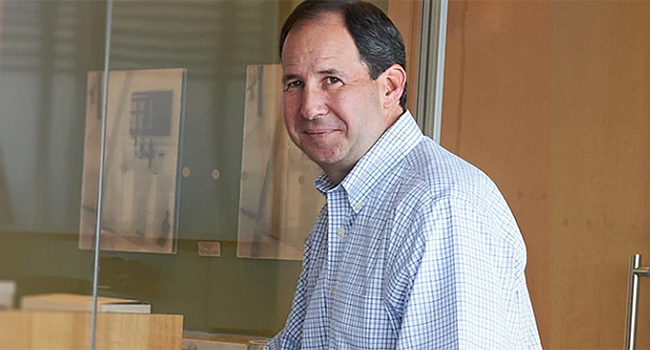
Scott Glasser
After two outsize positive performance years in 2023 and 2024, U.S. equity markets are digesting a mixed bag of risks and opportunities this year.
“In our opinion, the U.S. stock market currently stands near fair value, lacking material upside in the short run and vulnerable to potential negative surprises in the second half of the year. We are more focused on the outlook in 2026 when multiple catalysts could drive an acceleration in corporate profits and many of the current risks are likely to dissipate,” according to Scott Glasser, Chief Investment Officer at ClearBridge Investments.
“We believe tariffs remain the key risk to corporate profits in the second half of the year and are less concerned about geopolitical events or the outlook for fiscal and monetary policy. While the tariff deal deadline has been extended, there has been slow progress beyond a few broad deal “frameworks” announced. Tariffs on our biggest trading partners in the European Union and China are likely to stay high and take longer to resolve, while tariffs on secondary trading partners will remain in place for extended periods,” he noted.
To date, the impact on both growth and inflation has been muted by existing inventory and a fear of backlash for raising prices. “However, conversations with corporate management teams tell us that while they are willing to absorb some cost, prices are likely to rise in the coming months as pre-tariff inventory is absorbed. We estimate that the average effective tariff rate will ultimately settle in the 14%–15% range from approximately 2.5% in the prior year,” said Glasser.
“While the overall economy can absorb that impact without recession, we believe that current profit estimates are too high and likely to weaken. Earnings estimate revisions are likely to begin declining more significantly starting in the fall. Housing, autos and investment spending excluding AI are all weakening and should become more pronounced in the months ahead.
“So far, the market has been willing to look past those concerns as rising deficits from the One Big Beautiful Bill (OBBB) won’t be visible to investors for some time.
“Despite our near-term caution, we acknowledge that credit trends and market breadth support the bull thesis that the current advance is both healthy and sustainable. Bond spreads, historically a good measure of expectations for future financial distress, remain tight and supportive of growth. Current market breadth, or the level of participation of stocks in the market advance, is sufficiently broad. Finally, leadership in sectors like technology, industrials and financials are indicative of a strong and resilient market outlook.”
Glasser added, “While we are more neutral on the near-term outlook for equities based on tariff uncertainty and valuations, we are more bullish on the outlook for 2026 when we believe that S&P 500 Index profits can return to double-digit growth.
“Our expectations assume a broader resolution of most tariff negotiations resulting in more of a one-time price adjustment than a lasting impact on both prices and profits. We expect continued strong investment in all things related to AI, but also in other industries as deregulation boosts investment and capital markets activity resumes amid declining corporate uncertainty.
“Finally, we expect both monetary stimulus from lower Fed Funds rates in the next year and fiscal stimulus from the front-loaded impact of the OBBB to support profit growth.”


