
Financial advice gap prices out older Australians retiring with mortgages and limited super
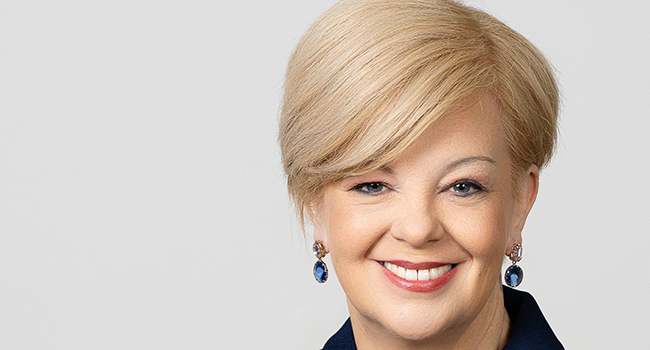
Dianne Shepherd
Australia’s shrinking financial adviser workforce is creating increasing financial insecurity for Australians entering retirement with mortgage debt, limited superannuation and rising cost‑of‑living pressures.
Adviser numbers have fallen from almost 30,000 in 2019 to just over 15,000 today, and with the average cost of comprehensive advice rising to around $4,700 annually, many retirees are being priced out of the support they need during the most financially complex phase of their lives.
Homesafe CEO Dianne Shepherd said the advice gap is emerging at the worst possible time.
“We are seeing more Australians than ever reaching retirement still carrying a mortgage, with modest super balances and increasing longevity risk – yet access to affordable, high‑quality financial advice has never been harder to secure,” Shepherd said.
“The combination of rising debt, volatile markets and a shrinking adviser workforce means many retirees are being forced to make life‑changing financial decisions without the guidance they deserve.”
Homesafe warns that older Australians face a growing list of financial challenges, including: managing superannuation drawdowns and tax strategies, navigating age pension eligibility, rising interest rates increasing mortgages repayments and integrating home equity into long‑term planning.
Professional financial advisers will play a critical role in supporting people navigating these challenges and the growing level of unmet financial advice needs is making it harder for older Australians to plan their retirement and execute those plans with confidence.
“Retirement today is far more complex than it was a decade ago. The burden of decision‑making has shifted almost entirely to individuals, yet the support system around them is shrinking,” Shepherd said.
Superannuation assets now total more than $4 trillion nationwide, making retirement savings Australia’s second-largest household asset class and a clear sign of long-term saving discipline.[1] Even with that growth, super balances alone may not fully offset the impact of housing debt on retirement lifestyles, particularly if ongoing mortgage repayments continue to reduce disposable income later in life.
This aligns with independent retirement research supported by Homesafe into the role of housing wealth in retirement planning, which has identified growing pressure on Australians’ retirement savings as housing debt increasingly extends into later life.[2]
“Retirement security is not just about how much you’ve saved,” Shepherd said. “It’s about how all your financial pieces – property, debt, super and everyday living costs – fit together.
For many older Australians, that wealth is largely tied up in the family home – an asset that provides security and stability, but not always accessible income. Housing wealth often outweighs retirement savings, meaning many households are financially comfortable on paper but constrained in day-to-day cash flow.[3]
Traditionally, retirees looking to access housing wealth have felt limited to two main choices: downsizing and moving, or taking on additional debt through a loan product. While these options work for some, they don’t suit everyone’s circumstances or preferences.
At the same time, Homesafe is highlighting the role that responsible home‑equity solutions can play in improving retirement outcomes — particularly for those with limited super and ongoing mortgage debt.
“For many older Australians, the family home is their most valuable asset — yet they often feel trapped by mortgage repayments or cash‑flow pressures. Homesafe provides a safe and certain way to unlock equity without taking on debt, allowing retirees to improve their financial wellbeing with confidence,” Shepherd said.
“We work closely customers, and often their families and advisers, to ensure decisions are informed, transparent and aligned with long‑term needs. In an environment where advice is harder to access, having safe, well‑understood options is more important than ever.”
“Every Australian deserves the opportunity to retire with dignity and financial security. We cannot allow a shrinking adviser workforce and rising advice costs to leave older Australians behind.”


