
From Boomers to Millennials: The great wealth transfer Is redefining financial advice
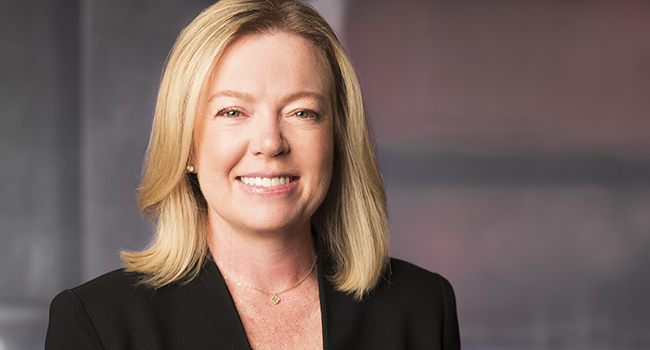
Lousie Watson
The financial advice industry is ripe for disruption as almost two thirds (65%) of Australian investors say they don’t plan to retain their parents’ or spouse’s financial adviser when managing inherited assets, according to Natixis Investment Manager’s (Natixis IM) Great Wealth Transfer Report.
Despite Baby Boomers (aged 62-80) shaping adviser relationships for decades, it’s this cohort that are set to cause the most disruption as 75% say they would switch advisers.
Of Generation X, (aged 46-61) nearly six in ten (59%) said they plan on leaving their benefactors’ adviser, and similarly 61% of Millennials (aged 30-45) plan to make the switch.
The Natixis IM report uses research conducted in collaboration with CoreData surveying over 2,700 financial professionals and 7,000 individual investors globally, including Australians, to provide insight into the challenges advisers are facing, and how investors’ financial needs differ.
On individual advice needs, almost four in ten (39%) Millennials and Gen X’ers value their advisers just listening to them, whereas almost half (48%) of Baby Boomers value the financial planning advice.
Gender also shapes investing preferences, women are more likely to want advisers who help them understand investing (38% vs. 25%) and feel less confidence in retiring securely (56% vs. 49%). In addition, women overall are more worried they’ll outlive their assets (29%), in comparison to their male counterparts (20%).
Natixis Investment Managers Country Head Australia and New Zealand Louise Watson said, “As the great wealth transfer continues, advisers must engage clients in practical, forward-looking conversations about how best to manage and transition their wealth in today’s complex economic and regulatory environment. The current heightened geopolitical uncertainty, as well as ongoing change to tax and superannuation regulations, reinforce the value of personalised financial advice.
With no two clients, or generations alike, financial advice isn’t a one size fits all approach. Advisers who build strong relationships and understand generational differences will be best positioned to retain their clients and help them to navigate a path through market volatility, asset allocation and return expectations to achieve financial security.”
The generational differences spread beyond adviser relationships and into the desired financial outcomes, specific asset classes, and product structures.
-
Baby Boomers are the most conservative, with just 27% saying they are willing to take risks in order to get ahead. This cohort have the lowest appetite for investments in private assets (26%) and cryptocurrencies (13%). However, 63% say they are happy to tie up money earmarked for inheritance in longer-term investments and 52% are worried that passive investments won’t do enough to help them avoid losses.
-
Gen X falls in the middle, with 56% of investors looking at volatility as an opportunity to build wealth. Moreover, 52% think investing in private assets is worth the associated fees and 35% think new investment vehicles will make cryptocurrency a more attractive investment.
-
Millennials are the least conservative, with 62% using volatility as an opportunity to grow their wealth. They also show greater interest in private assets (59%) and 39% are already invested in crypto. When it comes to active ETFs, millennials are already predisposed to the concept, as 66% say they wish the mutual funds they like were available as ETFs.
AI-Powered advice may enhance but is hard to replace human advisers
Younger investors are more open to automated financial tools and advice. Currently, almost half (47%) of Millennials say they trust algorithms to make investment decisions compared to only 25% of Gen X and 18% of Baby Boomers.
Even so, human advice remains central across generations. Millennials still place the greatest trust in their own adviser (88%), followed by themselves (84%) and advisers in general (81%). Trust in one’s own advisor is similarly high among Gen X (84%) and Boomers (98%), suggesting AI is more likely to complement human guidance than replace it.


