
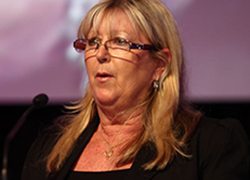
Christine Hornery.
Many Australians may have unrealistic expectations of retirement, according to financial adviser and the Association of Financial Advisers (AFA)’s 2012 Female Excellence in Advice Award winner, Christine Hornery.
“The word retirement may conjure up a picture of relaxed lifestyle, being able to do all the things people never had the time to do while working and an emotive image of calmness and serenity,” Ms Hornery, a retirement specialist, says. “But in my experience, with some clients in my own practice, retirement can be a period of frustration, sadness, emptiness and loneliness. And the level of dissatisfaction amongst retirees is not always directly related to their level of retirement income.”
Ms Hornery says she is concerned that many Australians may never get to do what they want to do in retirement because they don’t address what they want from it, as individuals and as couples, both personally and financially.
“There seems to be an unrealistic expectation amongst some couples that when they retire they will want to do everything together and will willingly surrender everything they currently do as individuals,” she says. “I therefore believe that long before they retire, pre-retiree couples need to sit down together and really discuss in depth what they want to do in retirement.”
They then need to take responsibility of their superannuation and retirement plans, taking into account their joint and individual needs.
“Generally speaking, men spend longer in the work force and have contributed more in superannuation than their wives and therefore have usually thought about what retirement means for them financially,” Ms Hornery says. “But they typically focus on reaching a lump sum. They don’t think about the impact of retirement, about what explicitly they are going to do,” she says.
The reverse is generally true for women. “They have usually thought through what they want to do in retirement but have less in retirement savings.”
The other problem facing couples is that there is also often a misalignment between partners about what retirement really means to them both.
“Couples need to set realistic individual and joint goals and objectives, then they need to have a way in which to reach them,” she says. “I call this their great challenge. It is a challenge which can take many years and requires the help of experienced professionals.”
Ms Hornery argues that qualified financial advisers, who care about their clients are vital in helping couples create, manage, review and protect their retirement dreams, “Not only because they have the technical expertise and professional qualifications to help them realise their goals, but because they have a commitment to reviewing the advice and strategy,” she says. “Their ongoing relationships with clients mean they can manage expectations and be brutally honest when necessary. Ongoing relationships between financial advisers and their clients are what can make a positive tangible difference in the lives of everyday Australians.”


