
Ten years since the start of the global financial crisis, Australia’s top super funds have made up for lost time, with investors benefiting from the longest bull market rally since the end of World War II.
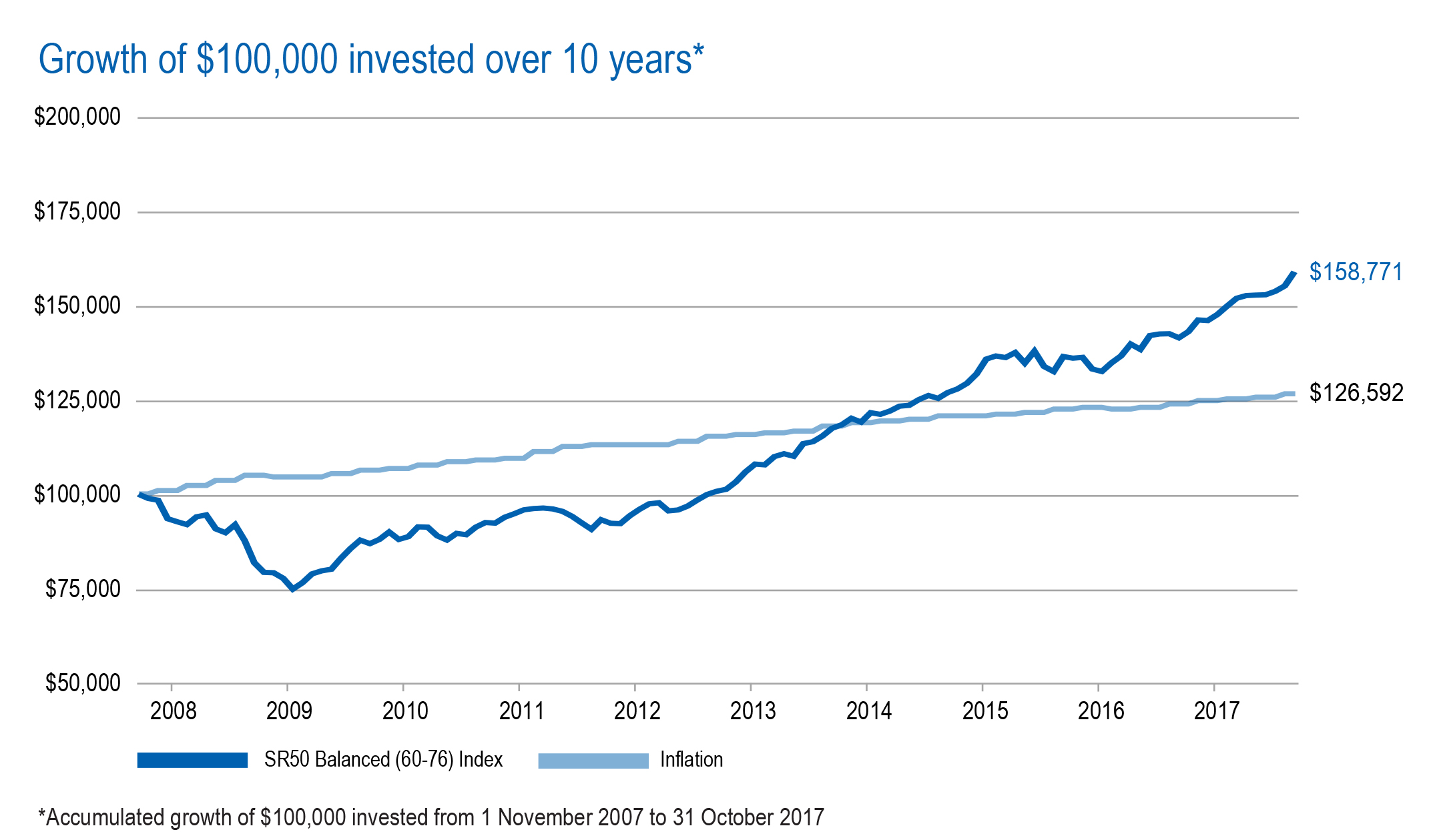
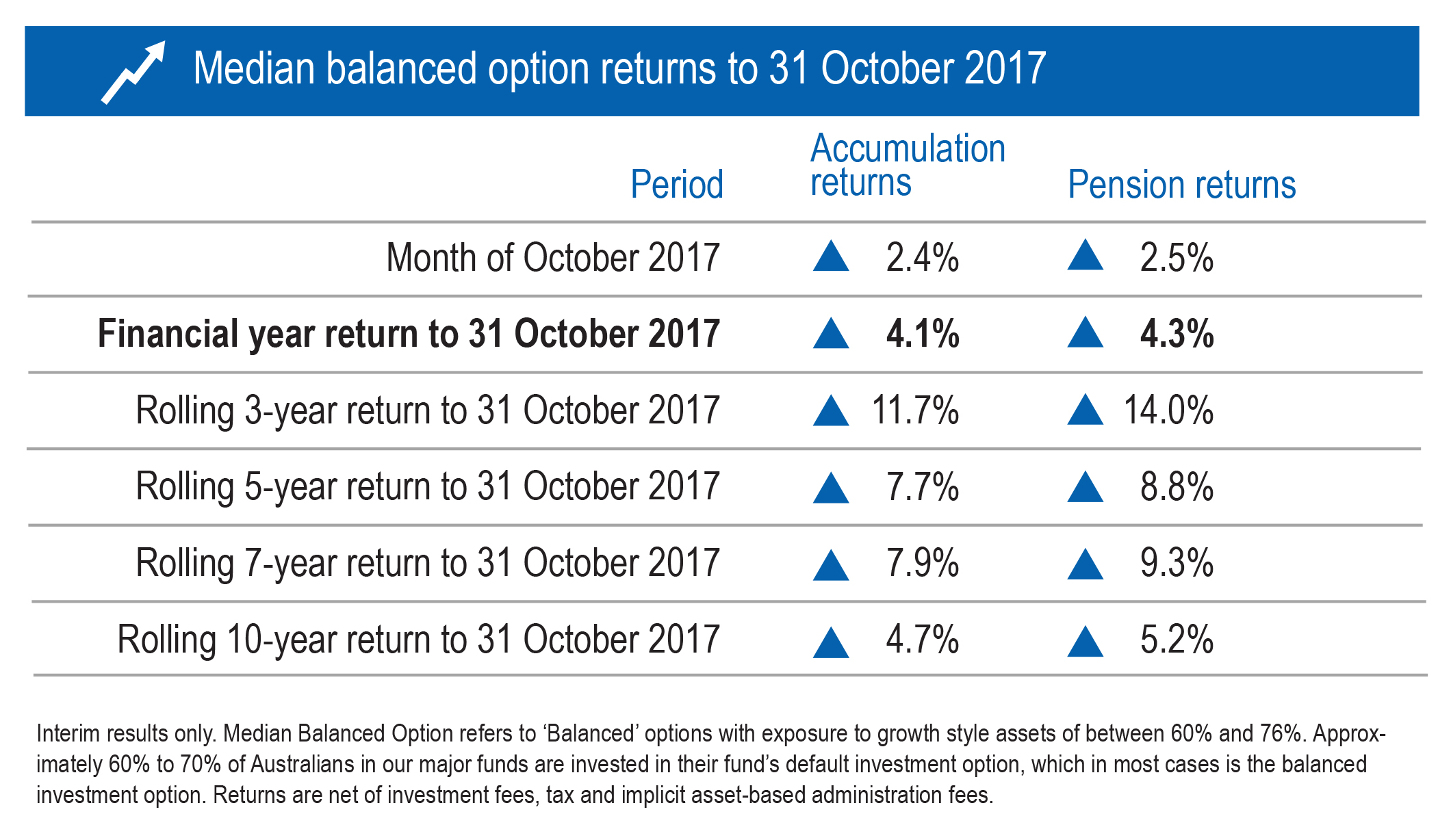
While the financial crisis was a major challenge for retirees, SuperRatings’ analysis shows that Australia’s superannuation investors have enjoyed a windfall recovery, with the median balanced fund returning an accumulated 155% since October 2007.
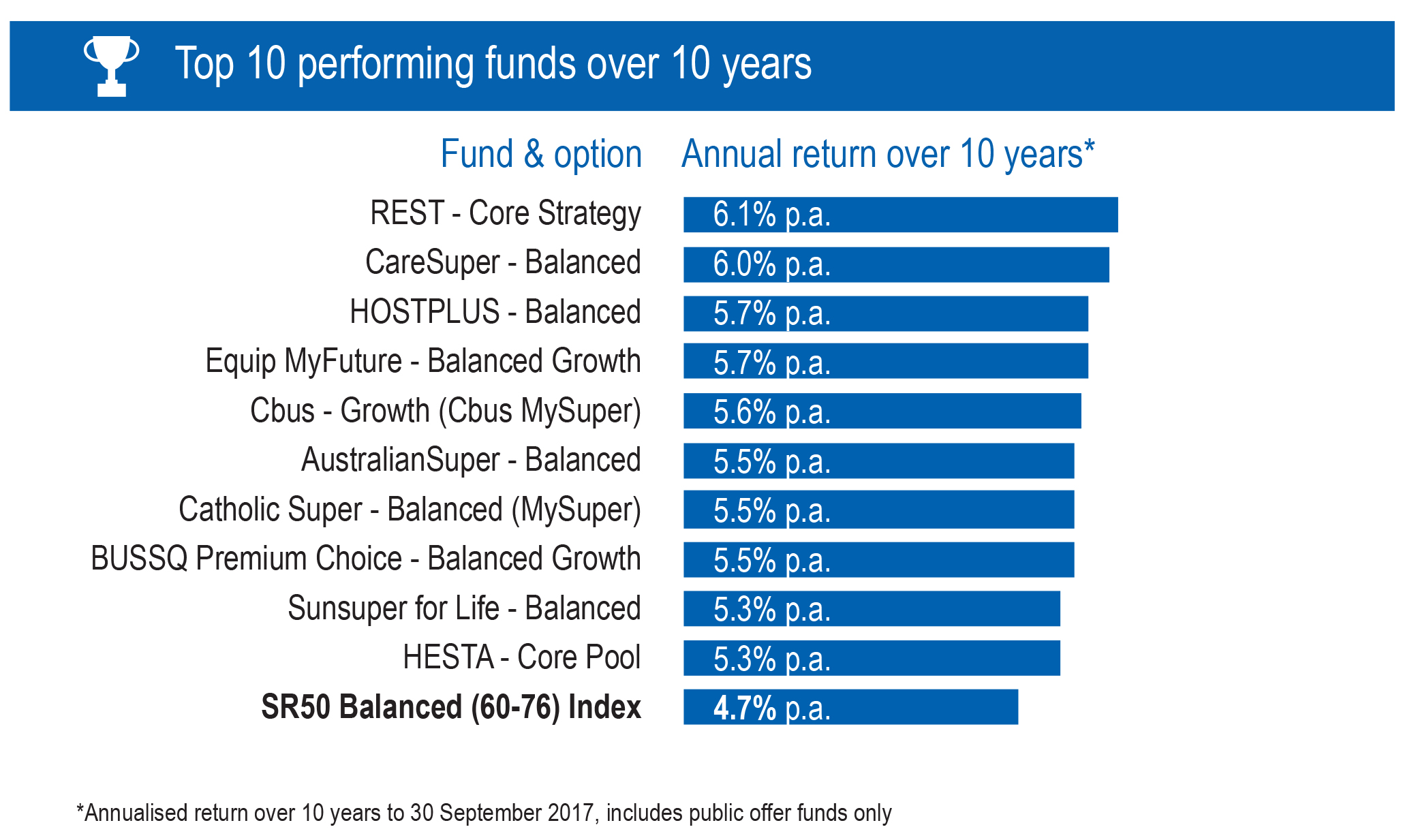
The top ten performing funds over this period are dominated by industry funds, with REST topping the leaderboard with an average annual return of 6.1%, followed closely by CareSuper’s Balanced fund, which has returned 6.0% p.a. on average over the decade. All comfortably exceeded SuperRatings’ industry benchmark of 4.7% p.a.
“While the GFC may seem a distant memory for many investors, it was felt acutely by retirees and impacted incomes for many Australians entering retirement,” said SuperRatings CEO Kirby Rappell. “The main reason Australia was hit so hard is due to the significant exposure super funds have to domestic and global shares. However, since the end of 2009, we have enjoyed one of the longest bull markets in history. This has more than erased the pain of the GFC, and has put retirees in a better position than they might have expected.”
Australian shares set to end 2017 on a high
The Australian share market followed the world higher in October, after a disappointing run of negative and flat returns since April. The ASX 200 returned 4.0%, led by the Information Technology (+8.8%) and Energy (+6.5%) sectors. Santos boosted Energy sector gains, beating expectations on production, revenue and costs, driven in large part by its Gladstone LNG operations. But it was Blackmores (+35.4%) that topped the leaderboard in October, posting a 28% rise in direct China sales, with the Chinese government having affirmed its commitment to the pilot of cross border e-commerce.
In the US, the S&P 500 gained 4.7% in AUD terms as positive data, including better than expected economic growth, pushed markets higher. On the one year anniversary of President Trump’s election victory, the market is still rallying and volatility is lower than ever. The VIX, or so-called ‘fear gauge’, posted its lowest average monthly level in October (in a dataset stretching back to 1986).
A-REIT managers returned 2.3% in October, led by residential property manager Charter Hall (+8.0), which hit an all-time high of $5.80. Commercial specialist Propertylink Group (+7.5%) added to September’s gains, helped along by buying from investment bank Citi, which has been buying shares for a mystery international investor. More pain was felt for retail-focused managers Westfield (-0.9%) and Vicinity Centres (-0.4%), both of which have lost a third of their value since July 2016. “
It looks like the Australian market will finish in a strong position for the end of 2017, boosted by improvements in global economic conditions and an improving jobs environment locally,” said Mr Rappell. “Retail sales are softer than investors would like heading into the Christmas season, but consumer confidence is improving and local shares are now joining in the global rally, which is a positive sign for super funds.”


