
Investment professionals seek greater flexibility, and hybrid workplaces
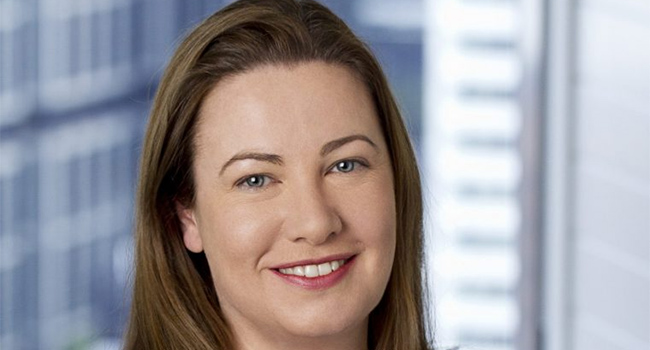
Lisa Carroll
CFA Institute, the global association of investment professionals, has released the first report in a four-part research study examining the changes that investment organisations and professionals are likely to adopt post-pandemic, influenced by three critical elements: the context of careers, the content of work, and the culture of organisations.
In the report, The Future of Work in Investment Management, [1] workplace transformation is evaluated through the lens of the “what, where, and how”, with these factors evolving simultaneously and at a rapid pace during the pandemic. The report explores how the pandemic has impacted individuals’ attitudes toward their workplace environment, with implications for employers globally, as employees return to the office in some locations.
“Within the investment industry, the time is ripe to challenge the norms that have long driven our daily work lives. The way that we work must adapt,” said Margaret Franklin, CFA, President and CEO, CFA Institute.
The future of work in investment management is in hybrid workplaces. Among women, 87 percent agreed that they would like to work remotely part of the time, compared with 80 percent of men. Those earlier in their careers, with less than two years since earning the CFA charter, were least likely to want to work remotely, given that it is more difficult to learn from others in a remote environment, without the benefit of a robust professional network.
Lisa Carroll, CEO of CFA Societies Australia, said the pandemic has provided an opportunity for employers and employees to reconsider the future of work in financial services, with remote working now the norm.
Investment jobs have been resilient during the COVID disruption and Australia is no different. Just 10 per cent of professionals saw their employment status change because of COVID-19. That highlights that investment roles are well suited for remote working. We are seeing evidence of that during the current lockdowns in Sydney and Melbourne, where investment professionals are successfully getting on with their jobs from home,” she said.
“However, the study revealed that 20 per cent of Australian respondents have experienced a reduction in their total compensation since January 2020,” she said. On the positive side, 75 percent of investment professionals are confident their jobs will be secure over the next 18-24 months.
At the same time, remote working has created an urgency for new skills, with 91 per cent of professionals saying it is important for them to actively develop new professional skills. However, less than half receive support from their company to do this. “The onus is on organisations to adapt to the demands of the new environment and to support their employees and their professional learning,” said Carroll.
Given the blurring of home and work life, many investment professionals worked more hours during this time, leading to burnout. The number of respondents working more than 60 hours per week nearly doubled during the pandemic to 15 percent from 8 percent. Investment leaders were unanimous in their concern that mental health issues were the greatest threat to employees wellbeing.Not surprisingly, 82 percent of those surveyed expect to be heavy users of video calls in the future while expectations are that business travel will be permanently reduced by 25 to 50 percent. The report further explores the key three themes of workplace transformation:
- The Context of Careers – Where work gets done: Employers support their workforces’ desire to work remotely, with strong support for remote-work policies jumping from 15 percent pre-pandemic to 77 percent post-pandemic. Overall, investment professionals believe that remote work has increased their efficiency (53 percent). This adaptability applies across roles including those who were thought to be incompatible with remote work, such as chief financial officers and traders. The structure of investment management roles also indicates that they are well suited to a hybrid environment.
- The Content of Work – What works gets done: Modes of client communication will see significant changes with much more video conferencing. Yet investment professionals do recognise that the increased use of technology poses real risks, with 59 percent stating regulators will increase scrutiny of financial technology tools as hybrid models become more widespread. Investment professionals also recognise the need for professional development to further their careers.
- The Culture of Organisations – How work gets done: Many investment organisation leaders recognised a silver lining of the pandemic, with 59 percent citing that culture has improved because their staff have learned more about their colleagues. Yet, 100 percent of investment organisation leaders reported that mental health issues were a top concern as it relates to their employees, quickly followed by the impact of childcare and eldercare support (cited by 80 percent) on their staff. Notably, investment professionals reported a shift in what motivates them most at work, with workplace flexibility and having good team members becoming more important – this could be a direct result of the social isolation of the pandemic.
———


