
Global experts launch world-first postgraduate courses in the economics of sustainability
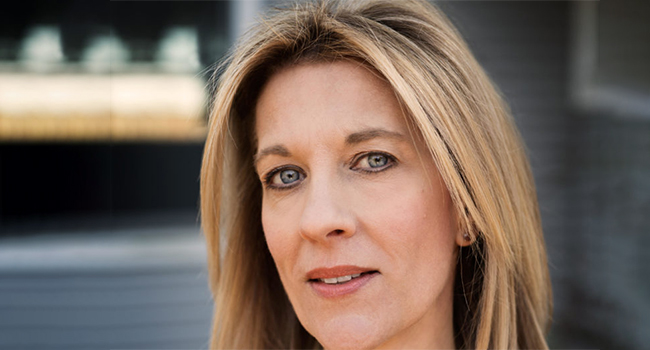
Stephanie Kelton
As the world wakes up to the scale of the climate crisis, leading figures in finance and world-renowned economists are rallying to promote the first ever global postgraduate degree in the economics of sustainability. These online courses have been developed by not-for-profit Modern Money Lab, in partnership with Torrens University Australia and will begin in September this year.
With well over 200 expressions of interest so far, the appetite for a new kind of economic thinking has never been higher.The venture, bringing together concepts from ecological economics and modern monetary theory, is the brainchild of Associate Professor Steven Hail and Con Michalakis, Deputy Chief Investment Officer at Hostplus. Professor Stephanie Kelton, former Chief Economist on the U.S. Senate Budget Committee in Washington D.C. and author of the New York Times bestseller The Deficit Myth and Professor Scott Fullwiler, a world-renowned expert in macroeconomic policy, have also thrown their support behind the program.
“What we’re all working towards is putting together a genuinely global online qualification, which brings modern monetary theory and ecological economics together,” says Dr Hail.
“The reason we’re doing this is because we think it’s important and because it genuinely is the case, as far as we can tell, that there is no such qualification available anywhere in the world. Nobody has ever done it before.
“What has surprised me, having spent many years in the university sector, is not just the variety but the quality of applicants for this course, in terms of how motivated I would think they’d be and in terms of what they’re already doing in their lives, is far higher than anything that I’ve ever come across.
“I think there is a very real thirst to understand the relationship between the monetary system and our impact on the world and I know a lot of people have been waiting for something like this. It’s great to see that reflected in the applications we’re having,” he says.
“What we want to do, essentially, is to create a new generation of people working in finance, politics and in all institutions related to the political system, with the necessary background in understanding our monetary system, so that can shift the policy narrative and get decisions over the line that are more consistent with maintaining a healthy environment and concentrated on improving the quality of people’s lives.
“To get there we need to be agnostic about the potential for future economic growth and to rethink the purpose of economic policy. We need to move away from growth-ism, we need a better purpose.
“We also need an understanding of the appropriate role for governments to play in facilitating a transition to a more sustainable future, and it is our view that modern monetary theory is central to that understanding.
“The problems of the 21st century cannot be solved using the economic thinking of the last century. This course is about giving people the equipment they need to meet the challenges of the decades ahead,” he says.
Leading finance professional, Con Michalakis, the Chair of Modern Money Lab, said: “The world needs a supply of well-trained economists who understand not only our planetary boundaries and the environmental challenges we face, but also the mechanics of money and finance and the appropriate role for governments to take.”


