
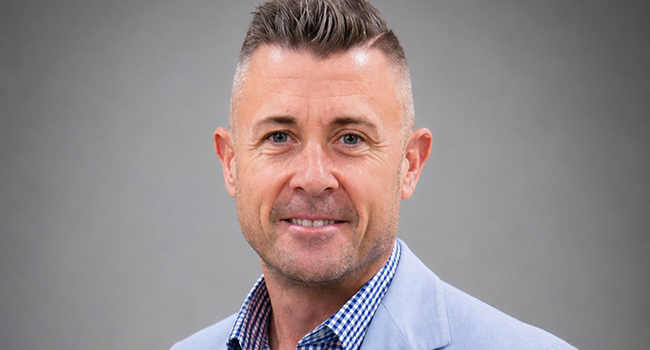
Stephen Sloane
Ask a room of advice principals whether their offshore support is properly structured and most of them will say yes. But our experience suggests the answer is not always as clear.
Some of the arrangements we see raise questions about whether they would survive scrutiny. That gap, between what principals believe they’ve built and what they’ve actually built, is where the risk sits.
It matters more now, with higher penalties under the Fair Work Act from 1 July 2026 and renewed regulatory attention on sham contracting. The cost of getting the structure wrong is climbing, and the scrutiny is sharpening.
Offshore support is no longer unusual in Australian advice. As capacity pressure builds, more firms are moving administration, paraplanning and client servicing offshore. That’s a sensible answer to a real problem. The problem isn’t the decision to offshore. It’s treating the arrangement as an informal resourcing fix rather than part of the firm’s operating model.
Here’s what trips them up
Whether someone is a contractor or an employee isn’t decided by the label on the agreement alone. It’s decided by the practical reality of how the relationship works. If your offshore paraplanner keeps set hours, works inside your systems, takes day-to-day direction from your team and performs an ongoing role, a contract calling them a contractor may not settle the question. Depending on how and where the arrangement was established, employment, tax and local legal obligations may need to be considered.
That’s not a technicality. Where a worker has been misclassified, the consequences can include penalties, potential backpay, superannuation or PAYG withholding liabilities, depending on the circumstances and the jurisdictions involved. The financial exposure can grow quickly. For a profession already under close regulatory watch, the reputational hit can land alongside it.
So how do capable firms end up here? Usually because offshore was treated as a cost decision, not a structural one. The aim was a cheaper hour, not a better operating model. Someone found good people overseas, agreed a rate and built the relationship from there. The saving showed up straight away. The risk stayed out of sight until something forced it into view. In offshore support, the cheapest arrangement is often the most expensive.
None of this is an argument against offshoring. Across the firms we work with, structured offshore teams are one of the clearest routes to real capacity. The distinction that matters is between offshore support that’s deliberately structured and support that’s improvised.
Structured support starts with the arrangement itself: people engaged through an appropriate structure, with the relevant obligations in each jurisdiction understood and met. Then comes supervision. Someone owns the work, sets the standard and answers for the quality. It runs on defined roles, documented processes and secure systems, so client data is protected and the firm can explain exactly how the work gets done. That’s a team built on purpose, not a handful of individual contracts held together by good intentions.
That version of offshore is leverage. It takes work off the adviser that they never should have carried. It holds up under scrutiny and makes the business steadier rather than more fragile. The improvised version may clear the same work, but it can quietly introduce a risk the principal can’t see and hasn’t priced.
There’s a second cost that rarely gets counted
When an offshore arrangement is improvised, the knowledge often sits with one or two people and nowhere else. No documented process, no backup and no shared standard. If they leave, the firm can lose capacity overnight and inherit a compliance clean-up at the same time. That’s not a team. It’s a dependency.
This is where firms get caught. A model that saves twenty hours a week but can’t withstand legal or regulatory scrutiny, a client complaint or a buyer’s due diligence hasn’t solved the firm’s problem. It’s swapped a capacity problem for a structural one.
The firms getting this right aren’t necessarily the ones spending the least. They treat offshore as part of their operating model, with the same rigour they’d apply anywhere else in a regulated business. They know who does what, who supervises it and how the arrangement would be explained to a regulator, a buyer or a client. It was designed deliberately and reviewed regularly, not assembled by accident and left to drift.
If you’re reviewing your own set-up, the test is simple enough. Can you show your offshore staff are engaged and classified appropriately for the jurisdictions involved, and can you explain who supervises their work and how quality, continuity and data security are maintained? If the answer isn’t clear, the model may be more exposed than it appears, however well it’s running today.
Offshore support will keep growing because the capacity pressure behind it isn’t going away. The firms that benefit will be the ones that build it properly. The firms that get caught will be the ones that mistake a cheaper hour for a better structure.
Leverage isn’t the reward for cutting costs. It’s what you get from building the right structure.


