
Advice and insight on the future of underwriting from Zurich’s Chief Underwriter
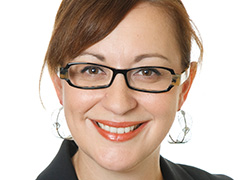
Tina Beilby
Time is valuable and in today’s rapidly changing advice landscape, it’s becoming more important than ever to boost efficiency and focus on your core value proposition – providing quality advice to your clients.
In this article, Zurich’s Chief Underwriting Officer, Tina Beilby shares her insights on the importance of collaboration between underwriters and advisers, and the role that tele-underwriting plays in helping achieve the best (and fastest) outcomes for clients.
Let’s get the most important questions out of the way first Tina, what footy team do you follow?
I’m a rare type in that I am originally from Adelaide but I don’t really follow footy! But I do enjoy the atmosphere of live games. My husband, stepsons and even our cat are avid supporters and members of Port Power and West Tigers so I support these teams vicariously through their passion.
When and where did you get your start in the insurance industry?
I started at National Mutual as a New Business Clerk straight out of school. I can still recall my first phone call from an adviser asking me to fax something urgently – I had no idea what a fax was but promised I would get it to them anyway. Thankfully it was something easy! My time in the industry before underwriting included manual calculations, corporate superannuation and sales support.
So how long have you worked as an underwriter?
I’ve been underwriting overall now for 16 years.
What are some of biggest changes in underwriting you’ve seen in your time in the industry, and what was your reaction to those changes?
Probably three key stand-outs for me are communication and accessibility to an underwriter, pace of change and technology.
An underwriter, in some respects, used to be the back office gatekeeper. You were rarely ever being questioned on decisions and God forbid you ever did! These days, an underwriter is viewed as an integral part of the sales process, helping advisers take their client through the underwriting journey. We see it as our responsibility to educate advisers and help them understand why loadings or exclusions need to apply or why a risk may be too great to insure.
The pace of change is phenomenal! Life underwriting is based on historical data to support our decisions but with the constant improvements in medical technology and comprehensive product enhancements, we are constantly being challenged to keep pace with these developments, which can result in some very complex underwriting solutions.
Technology has helped, particularly in improving efficiencies, providing consistency and collecting data, all of which is crucial in helping us gain insights into our client profile and more accurately measure the experience of our book of business. However, it can never replace the expertise of a human underwriter when risk profiling a complex scenario.
What does future of underwriting look like?
I think technology is going to play a very important part in delivering the speed that clients expect, the ease in the application and underwriting process, and bespoke pricing based on individual needs and circumstances (as opposed to the pooling of risk method we’ve used for many years). I also think we will need to harness the expertise and skills of our underwriters who are the brains behind the URE (underwriting rules engine). Whilst technology will play an important role in our future it’s only as good as the experts who work on these tools.
Outside of technology, we understand that our clients are human beings, so the adviser-underwriter relationship will continue to play an important role in our future business partnerships. After all, people do business with other people and this is why we pride ourselves on our one-to-one adviser case care model.
With efficiency such a big focus, do you think the underwriting process can become more efficient?
I think it has to. There are many articles out there today purporting that “speed is the new business currency” and if we don’t jump on board, we’ll be quickly left behind. At Zurich, we have some of the fastest turnaround times in the industry, from same day service up to 48 hours as the longest turnaround time for the majority of our new business. That’s because we understand that underwriting doesn’t just stop with the underwriter. It involves several operational teams working seamlessly together, including administration and tele-underwriting, to provide the most efficient end-to-end service.
A lot of advisers are saying they plan to make more use of tele underwriting in 2016, what are the advantages?
Tele-underwriting takes the lengthy and sometimes sensitive task off the adviser’s hands by using professional tele-interviewers to complete the application over the phone. Tele-underwriting is also used to obtain ad hoc information during the underwriting process like a specific questionnaire or to obtain more information on disclosure provided in a medical report, which the adviser may not be privy to. It also makes life a lot easier for time-poor clients in that they can choose the most suitable time to complete the tele-interview for them. This can be any time from early in the morning to later in the evening, and often in the comfort of their own home.
At Zurich, we found the completion time for tele-underwritten cases was days compared to weeks using traditional methods. Aside from the efficiency gain, tele-underwriting also instils trust in the client that the adviser and insurer are working together to provide them with best outcome.
Do you think field of underwriting will make a come back?
I don’t think it ever went out of vogue! Instead I think it has evolved into a combined BDM-underwriting service proposition. Zurich’s underwriters visit advisers regularly, attend functions like MDRT and AFA roadshows and present on underwriting topics at PD days and conferences.
Education and partnering together is an integral part of Zurich’s ‘Blueprints for the Future’ package, which has just been launched to support advisers, and we believe underwriting plays an important role in its success.
What are 3 ways advisers can get better and faster underwriting outcomes?
- We receive a lot of pre-assessments which helps the adviser position any modifications upfront rather than at the end of the process. I would encourage all advisers to ‘field underwrite’ by obtaining as much information as possible upfront and engaging the underwriter early in the piece to work through the best solutions for your clients.
- Submitting business via e-application ensures there are no omissions and the URE (underwriting rules engine) is already working in the background to the point you may even receive an instant assessment which you can share with your client on the spot.
- Utilise tele-underwriting for comprehensive disclosure, flexibility for your client and quicker end-to-end turnaround times.


