
2018 outlook: global equity outlook strong as volatility returns to the market
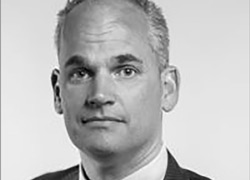
Nick Griffin
The outlook for equity markets in 2018 is stronger internationally than locally, and volatility is likely to make a return, meaning investors may need to consider some portfolio protection, according to Grant Samuel Funds Management’s fund manager partners.
Chief investment officer of international equities manager Munro Partners, Nick Griffin, says 2018 will be a time of strong global economic growth not seen for some time.
“The cycle is maturing but it is not close to ending. Earnings growth is still strong and markets generally follow earnings growth.
“Interest rates and inflation will be the key indicator as to when the cycle will end, but at this point it is still a good time to invest.
“The strong economic growth means that corporates are essentially endowed with cash at this point in time. Particularly in the US, tax reform has provided companies with the ability to repatriate their foreign earnings back to the US, which is added stimulus in terms of cash flows.
“With US corporates holding approximately $3 trillion cash offshore, we estimate companies have the ability to repatriate a whopping $1.4 trillion of that to the US following the changes in the US tax system.
“Where could this money go? Some people will be looking for buy-backs and dividends, and while we do think there will be some of that, we see most of that cash being spent in 2018.”
Mr Griffin said this provides opportunities for transformative mergers and acquisitions, which is one of the key themes Munro is investing to this year.
“With money to spend and increasing pressure on established business models, we suspect many management teams will chose to acquire to either transform their business or scale up in the face of larger competition.
“From our point of view, the M&A firms will be the key winners here,” he said.
Triple3 Partners chief executive, Simon Ho, said 2018 will see a rebirth of asset volatility.
“This year will be very different from anything we have seen in the past few years. Last year was the first year in the history of US stocks where there was not a single negative return month for the S&P 500.
“With asset prices increasing, employment nets tightening, QE unwinding, the ECB slowing down and oil up to the $60 range, we are starting to see shoots of growth and inflation may not be far behind.
“Talk of a ‘melt up’ is dominating markets.
“But investors should be cautious. We have had a spectacular global equity run – especially in US equities – and it would be prudent for investors to think about portfolio protection to insulate their portfolios in the event that something untoward happens.
“The probability of that has unmistakably risen,” Mr Ho said.
Tribeca Investment Partners portfolio manager, Sean Fenton, says domestically the economic picture is more subdued, particularly with the softer property market.
“There is strong evidence that the housing cycle has peaked and this is likely to be reinforced by APRA’s efforts to rein in aggressive mortgage lending.
“A heavily indebted household sector that is experiencing flat to negative real income growth, as well as dealing with higher energy and healthcare costs, and which has drawn down its savings rate, is unlikely to fill the gap in growth.
“Further downside risk to the economy may emerge if the current tightening in mortgage lending standards pushes house prices lower and generates negative equity effects.
“In terms of portfolio positioning, we continue to maintain an underweight to interest rate sensitive sectors as the Fed moves to a more hawkish stance and the ECB approaches QE tapering.
“Domestically, we are positioned more defensively in gaming, select industrials and a small overweight to banks. We have increased the underweight to building materials, property developers and retail as the housing cycle rolls over.
“Markets continue to be driven by easy monetary conditions globally. Central banks are reluctant to tighten preemptively, particularly as inflation has remained quiescent. This provides fertile ground for equity markets to rally, but also creates an environment of heightened risk as areas of stretched valuation become more apparent,” Mr Fenton said.


