
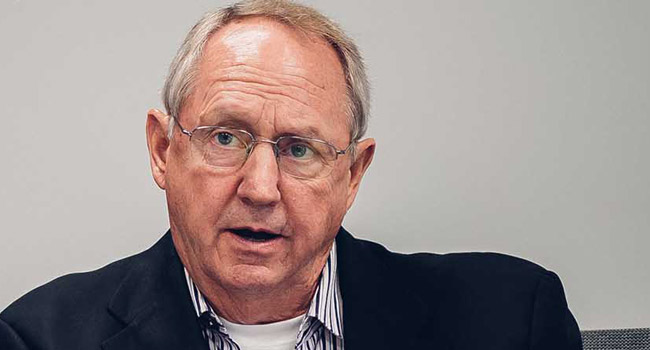
Bob Baur
A unique recession
“This recession is unique in that it’s deeper, with a much bigger loss of GDP: We’re not visiting restaurants, gyms, or airports less frequently … we’re not going at all!
“The recession will be selective in who it hurts: this is a small business recession concentrated in service industries. Manufacturers are holding up better. Some large companies are hiring big numbers of people.
“This recession resulted from a desire to constrain a medical danger by closing businesses and pushing people to avoid crowds. Since the cause was unique, it’s likely the downturn and aftermath will be quite different.”
Spending down and recovery slow in a reopened China
“The reopening of the global economy will likely follow the shape of activity in China. Businesses there have restarted operations but are not necessarily at capacity.
“Leaders at Caterpillar noted that all of its facilities in China are operating. Traffic monitors show rush hour traffic is mostly back to normal. Official April business surveys showed further mild expansion and a modest improvement from March. The National People’s Congress is scheduled for May 22, a vote of confidence in mitigation.
“While businesses have mostly restarted, China’s households stay cautious. Restaurants are open, but seats are empty. Vehicle sales bounced off the bottom but are well below normal.
“Households in the U.S. and Europe will surely mirror this wary attitude even as activity picks up.”
The worst is behind us, but expect stocks to relapse in June
“Much of the eventual improved growth and virus news is already priced into markets. We are now just past the worst phase of recession. As growth picks up in summer and fall, equities should be able to move modestly higher.
“Because so much future growth and uptrend potential is priced in, we expect a period of relapse and consolidation through June. Even though stocks often retest recent bear market lows after an initial upsurge, the S&P 500 Index trough of 2200 seems well out of reach given the enormity of the Fed’s backstop.
“Earnings pessimism should return at some point and we can envision a relapse to 2600 or below, a likely good entry point for those underweight stocks.”
What to do with your investments?
“For one or two months, we like large cap growth and tech stocks; those past leaders should continue to outperform as markets consolidate and thrash about before the next move higher.
“On a six-to nine-month basis, we like stocks that do well when growth accelerates: small caps and sectors like energy, materials, consumer discretionary, financials.
“With the U.S. dollar likely to weaken, we prefer select emerging market stocks over those in developed countries outside the U.S.
“For bonds, the Fed and other central banks will keep short term rates at super low levels for a long time, surely through most of next year. Even long-term U.S., German, and Japanese sovereign bond yields will stay low with massive central bank bond purchases. However, those long-term yields could be under modest upward pressure later this year as growth improves. That steeper yield curve would be good for financial stocks.
“All these suggestions are tactical, short-term in nature. This is not a time to make long-term investment decisions. It’s possible that equity returns, even over several years, may not be very rewarding.”
By Bob Baur, Chief Global Economist


